
Apostille vs Embassy Attestation: A Complete Guide
Discover the differences between apostille and embassy attestation in our comprehensive guide. Learn about the necessary documents for apostille, the timeline for obtaining an apostille, and much more to navigate the process effectively. "apostille vs embassy attestation"
11/18/20257 min read
Understanding Apostille and Embassy Attestation
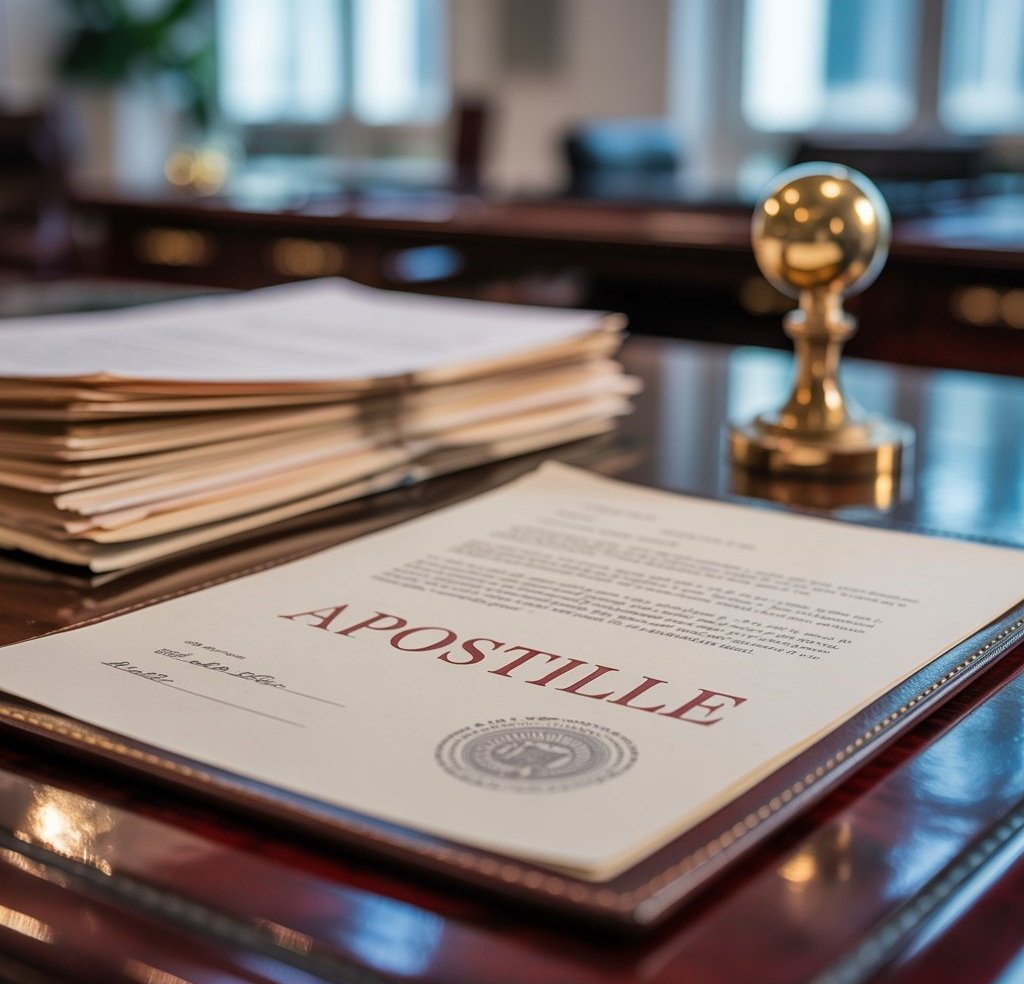
Apostille and embassy attestation are two distinct processes utilized for the legalization of documents intended for use in foreign countries. Both processes serve the primary purpose of validating documents, ensuring that they hold legal weight when presented abroad. The apostille process is governed by the Hague Convention Abolishing the Requirement of Legalisation for Foreign Public Documents, which simplifies the document verification process for countries that are signatories to the convention. An apostille is essentially a certificate that authenticates the origin of a public document, such as birth certificates, marriage licenses, and academic diplomas, making it acceptable in other countries.
On the other hand, embassy attestation involves the verification of documents by the embassy or consulate of the destination country. This process may require additional steps, including verification by local authorities in the document's country of origin before the embassy or consulate issues its attestation. Embassy attestation is often utilized for documents that fall outside the scope of the apostille convention, or when a specific country necessitates this extra layer of verification for documents, such as commercial contracts or certificates that are not public in nature.
The key differences between apostille and embassy attestation lie in the processes and requirements established by different nations. For individuals or businesses preparing documents for international use, understanding when to employ each process is crucial. Generally, apostille is suitable for documents intended for countries that recognize the apostille, while embassy attestation is required for those that do not. Therefore, it is essential for individuals to ascertain the specific requirements of their destination country to ensure proper document legalization.
The Apostille Process Explained
Obtaining an apostille is a crucial step for individuals requiring authentication of public documents for use in foreign countries. An apostille serves as a certification that verifies the authenticity of the document, ensuring it is recognized internationally. The process begins by identifying the eligible documents, which typically include birth certificates, marriage licenses, educational diplomas, and other governmental papers. Only documents issued by a recognized authority can be apostilled.
Once you've determined your documents' eligibility, the next step involves locating the appropriate authority to issue the apostille. In many countries, this is usually the Secretary of State's office or its equivalent. It is recommended to check the specific requirements and processes of the state or country you are in, as these can vary significantly. Depending on the jurisdiction, you may be able to request the apostille in person, by mail, or even online.
Fees for obtaining an apostille vary by location and can range from $5 to $50 per document. Additional costs may apply if you choose to expedite processing or use a third-party service. The processing time for an apostille may also differ, typically taking between 2 to 15 business days. However, some offices offer expedited services, allowing for quicker turnaround times.
To ensure a smooth application process, it is essential to prepare your documents meticulously. This includes making copies, verifying that the documents are in the correct format, and ensuring that they bear the necessary signatures and seals. When submitting your application, include all required forms and fees, keeping copies of everything for your records. Following these guidelines can help facilitate a seamless experience in obtaining an apostille, thus allowing for successful use of your documents abroad.
Embassy Attestation Procedure
Embassy attestation is a crucial process for validating documents intended for use in a foreign country. The procedure varies slightly depending on the embassy in question, but it generally involves several standardized steps. First and foremost, individuals must gather the necessary documentation, which typically includes the original document, copies, and a government-issued identification such as a passport. Common documents that require embassy attestation include educational certificates, birth and marriage certificates, and commercial documents like contracts and invoices.
Once the documents are prepared, applicants must submit them to the relevant embassy or consulate. Some embassies offer online submission services, while others might require an in-person visit. It is advisable to check the specific requirements of the embassy to ensure all documents meet the necessary criteria. This may include notarization by a local authority or prior attestation by relevant national authorities, such as the Ministry of Foreign Affairs.
Upon submission, the embassy will review the documentation against predefined criteria to ascertain its authenticity and relevance. If everything is in order, the embassy will proceed with the attestation process, which involves official stamping and signing to confirm the document's validity for use abroad. The average timeline for embassy attestation can range from a few days to several weeks, depending on the embassy’s workload and operational efficiency.
As for costs, embassy attestation fees vary widely based on the type of document and the specific embassy involved. It is prudent for individuals to inquire about the fees beforehand to budget appropriately for the attestation process. Understanding these steps and preparing adequately can help facilitate a smoother experience in obtaining embassy attestation.
Documents Required for Apostille and Embassy Attestation
Understanding the specific documentation required for apostille and embassy attestation is crucial for a smooth process. Both procedures, while aimed at validating documents for international use, have distinct requirements. The apostille process is typically simpler and mainly involves documents intended for use in a country that is a member of the Hague Convention. In contrast, embassy attestation caters to documents that will be used in countries outside of this convention.
For the apostille process, common documents include birth certificates, marriage certificates, educational degrees, and corporate documents. It is essential that these documents are issued by competent authorities in the originating country. Furthermore, for apostille authentication, documents often need to be notarized before they can be apostilled, ensuring their legitimacy. The applicant must ensure that all personal details are accurately reflected, as discrepancies can cause delays.
On the other hand, the embassy attestation process entails a broader range of documents. Apart from the common certificates mentioned, it may also include legal documents, affidavits, power of attorney, and various business-related documents. It is imperative to contact the specific embassy or consulate for a precise list, as requirements may vary. Typically, the process will require initial verification by local authorities before the embassy attestation can be finalized.
Both processes demand careful preparation of documents to meet the necessary legal standards. It is advisable to format documents clearly and ensure they are free from errors. Maintaining copies of the original documents is also recommended, as this can facilitate the verification processes. Whether opting for apostille or embassy attestation, understanding each step and the required documentation will assist individuals in navigating these essential international validation procedures efficiently.
Common Challenges and Solutions in the Process
The processes of apostille and embassy attestation can often present individuals with various challenges that may lead to complications or delays. One common pitfall is the lack of understanding regarding the specific requirements for documents. Each country has distinct requirements, and failure to meet these can result in rejections or delays in processing. To overcome this hurdle, it is crucial to conduct thorough research or consult with professionals who specialize in document verification. Familiarizing oneself with the requirements of the intended destination can save time and reduce uncertainty.
Another challenge faced is obtaining the correct type of notarization or certification before initiating the apostille or embassy attestation process. For instance, documents may require notarization from a state-specific notary public, and using an incorrect notary can result in additional steps being necessary for re-certification. To circumvent this issue, individuals should ensure that they understand the hierarchies of authentication needed for their documents and verify the acceptable types of notarization prior to submission.
Timeframes can also be a significant source of stress. Processing times vary widely depending on the country, type of document, and embassy workload. For example, while some documents may be processed within a few days, others may take weeks. It is advisable for individuals to proactively check the pertinent timelines and plan accordingly to avoid any last-minute rushes. Having a backup plan, such as knowing alternative document processing agencies, can provide additional reassurance.
Real-life examples illustrate these challenges; several individuals have experienced delays due to failing to properly authenticate their documents in the required sequence. By undertaking meticulous preparation, consulting experts, and allowing ample time for the process, individuals can navigate the complexities of apostille and embassy attestation with greater ease.
Comparing Timelines for Apostille vs Embassy Attestation
The timelines for obtaining an apostille and embassy attestation can significantly influence an individual’s choice based on their specific needs and time constraints. Generally speaking, the apostille process tends to be quicker than embassy attestation, though various factors can affect the duration of each procedure.
An apostille is usually processed within a few business days, provided that all documentation is in order and submitted correctly. The exact time can vary depending on the issuing authority and the volume of requests they handle at any given time. Some jurisdictions offer expedited services for an additional fee, which can further reduce the wait time. In total, the apostille process can take anywhere from 1 to 10 business days on average.
Moreover, geographical considerations play a crucial role in determining processing times. If the sending and receiving countries maintain a well-established relationship, the apostille process may be notably efficient. In contrast, for countries with stringent requirements, embassy attestation might take longer due to additional scrutiny.
Ultimately, choosing between an apostille and embassy attestation requires careful consideration of time constraints. Understanding the typical processing times for both types of services can empower individuals to make informed decisions based on their urgent needs.
Conclusion and Final Thoughts
In the realm of document legalization, understanding the differences between apostille and embassy attestation is crucial for individuals and organizations. Both processes serve the essential function of validating documents for international use, yet they cater to different jurisdictions and requirements. An apostille, primarily used among countries that are part of the Hague Convention, streamlines the authentication process for public documents, making it relatively straightforward. On the other hand, embassy attestation is typically required in countries that are not members of this convention, necessitating a more intricate process that often involves multiple steps.
As outlined throughout this guide, the choice between apostille and embassy attestation largely depends on your specific circumstances, including the type of document you possess, the countries involved, and your timeline for obtaining the necessary validation. It is essential to evaluate which process aligns with your needs to avoid any potential delays or complications. For instance, if you are preparing legal documents for use in a Hague Convention country, an apostille will suffice. Conversely, for documents destined for non-member nations, embassy attestation will be necessary.
Moreover, it is vital to recognize when professional assistance may be required. The legalization process can be daunting, with various regulations and procedural steps to follow. Engaging the services of a qualified document service provider can simplify the process and mitigate the risk of errors. Such expertise can ensure compliance with all legal requirements specific to both the document type and the country of destination.
In summary, being informed about the distinctions between apostille and embassy attestation will empower you to navigate the legalization landscape successfully. By assessing your specific needs and seeking professional guidance when necessary, you can efficiently prepare your documents for international recognition.