
The Cost of Getting an Apostille for Netherlands Documents in India
8/1/20254 min read
What is an Apostille and Why is it Needed?
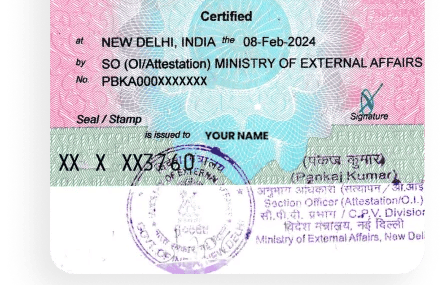
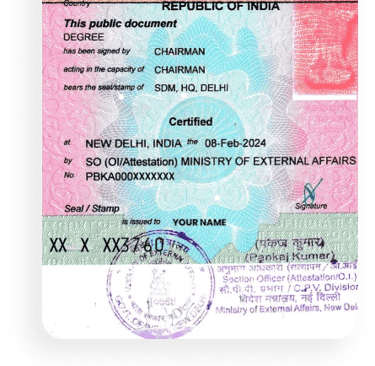
An apostille is a specialized form of certification issued to documents that are intended for use in countries that are signatories to the Hague Apostille Convention of 1961. This diplomatic verification assures that a given document is authentic and entitled to be recognized in another member country. As such, the apostille serves as a validity stamp, confirming both the legitimacy of the document and the authority of the issuing official. It effectively eliminates the need for further authentication by foreign embassies or consulates, streamlining international document transactions.
The primary purpose of obtaining an apostille is to facilitate cross-border legal processes, especially when dealing with governmental bodies, educational institutions, or businesses. For individuals intending to use Indian documents in the Netherlands, obtaining an apostille is crucial as it guarantees the document will be accepted without additional verification hurdles. Common examples of such documents include birth certificates, marriage licenses, diplomas, and corporate papers. The significance of an apostille lies in its ability to foster a simplified administrative experience for those engaging in international affairs.
The legal framework of the Apostille Convention was designed to promote the ease of document verification across signing countries. The Convention has fostered a significant reduction in bureaucratic procedures. Before the advent of the apostille system, documents would often require complex layers of validation through various governmental channels, greatly hindering international interactions. However, with the apostille, nations can mutually trust that the documents presented are genuine, thus enhancing the efficiency of cross-border legal practices. For those in India, understanding the intricacies surrounding apostilles is essential when navigating the documentation process for use in the Netherlands.
Documents That Require Apostille in India for Netherlands
When dealing with the apostille process for documents intended for use in the Netherlands, it is crucial to identify the types of documents that typically necessitate this authentication. In India, several categories of documents require an apostille to ensure their validity in the Netherlands. These include, but are not limited to, educational certificates, birth certificates, marriage certificates, and various business documents.
Educational certificates encompass a range of documents such as degrees, diplomas, and transcripts. When sending these documents to the Netherlands, it is vital to perform an initial verification through relevant educational authorities in India. This step may include obtaining a verification letter from the issuing institution before proceeding with the apostille process. Furthermore, it is essential to ensure that these documents are attested by the concerned state government or the Ministry of External Affairs (MEA) prior to apostille issuance.
In addition to educational certificates, personal documents like birth and marriage certificates also typically require apostille. For birth certificates, applicants must usually provide a copy of the original certificate along with a notarized translation if it is not originally in Dutch or English. The procedure may vary slightly by state, necessitating consultation with local authorities to ensure compliance with apostille requirements.
Business documents, such as incorporation certificates, power of attorney, and contracts, also necessitate apostille for use in the Netherlands. To authenticate these documents, businesses must ensure they are duly signed and may also require notarization by a registered notary in India. Completing these prior checks not only streamlines the apostille process but also enhances the legitimacy of the documents when presented abroad.
Cost Breakdown for Getting an Apostille in India
Obtaining an apostille for documents in India involves several cost components that vary depending on multiple factors. First and foremost, government fees are a significant portion of the total cost. The Ministry of External Affairs (MEA) in India charges a fixed fee for each document that requires an apostille. Currently, this fee is typically around INR 500, but it is advisable to check the latest rates as they may be subject to change.
In addition to government fees, you may also incur service charges if you choose to enlist the help of apostille service providers. These providers often assist with the entire process, from document verification to submission and collection. Service charges vary widely, depending on the provider, the complexity of the document, and the urgency of the service required. On average, these charges can range from INR 1,500 to INR 5,000 for straightforward documents, while more complex cases may attract higher fees.
Moreover, additional expenses may arise from document preparation and verification prior to obtaining an apostille. For example, certain documents may need to be attested by a notary public or state government authorities before they reach the MEA. Notary charges typically vary based on the document type and the notary’s reputation, so it is prudent to budget for these as well.
To estimate the total cost for getting an apostille in India, individuals should consider all these factors together. For documents requiring basic services, a budget of approximately INR 2,500 to INR 6,000 may be reasonable. It is advisable to obtain quotes from multiple service providers to better gauge the potential expenses, thus ensuring you are well-informed and adequately prepared for the apostille process.
Simplifying the Apostille Process in India
Navigating the apostille process in India for documents destined for the Netherlands can often be perceived as a daunting task. However, with the right strategies, individuals can simplify the procedure significantly. One of the foremost recommendations is to engage with a reliable service provider. Various agencies specialize in document apostille services and have established relationships with the requisite authorities, thereby streamlining the entire operation. It is recommended to research and read reviews or seek referrals to select a reputable agency that is experienced in handling apostille requests.
Understanding the steps involved in the apostille process is crucial. Begin by ensuring that your documents are in order and meet all the necessary requirements before submission. Gather all requisite papers, including any supporting documents that might be required for the apostille. Once you have your documents ready, the process typically involves verification by the local authorities, then the Ministry of External Affairs (MEA) before an apostille sticker is affixed. It is wise to inquire about each step and clarify any doubts with your service provider to avoid any misunderstandings that could cause delays.
Common pitfalls include submitting incomplete documents, misunderstanding local requirements, or failing to track the application. To mitigate these risks, establish a clear timeline and maintain communication with your chosen service provider. Keeping track of your application throughout the process enhances peace of mind, as it allows you to anticipate potential issues timely. Additionally, ensure to inquire about the estimated time frames for the completion of the apostille to manage your own deadlines effectively. Best practices also suggest keeping copies of all submitted documents, thereby safeguarding against any misplacement or loss. By following these guidelines, individuals can fortify their efforts in obtaining an apostille for their Dutch-bound documents seamlessly.