
Apostille & Embassy Attestation for Travel
Discover the significance of apostille and embassy attestation for international travel and work. Ensure your documents are valid and recognized abroad to facilitate a smooth journey.
11/22/20257 min read
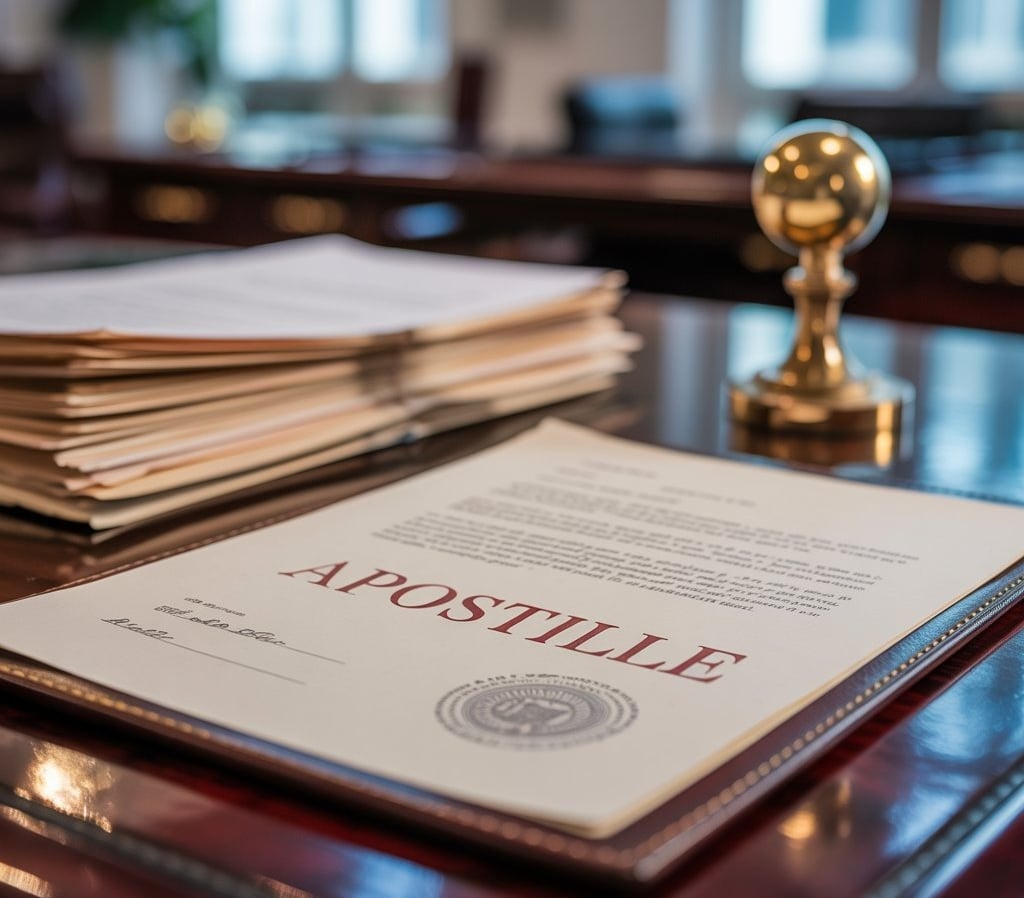
Introduction to Apostille and Embassy Attestation
Apostille and embassy attestation are two crucial processes that authenticate documents for international use, significantly impacting international travel and employment opportunities. These procedures ensure that personal and legal documents are recognized in foreign countries, thereby smoothing the way for a variety of administrative processes, including job applications, visa applications, and educational pursuits.
An apostille is a certification issued under the Hague Convention, which facilitates the acceptance of public documents from one member country to another. This means that if a document, such as a birth certificate or academic record, is to be used in a foreign country that is part of the Hague Convention, it can be certified through an apostille. This process simplifies the verification of documents, eliminating the need for further authentication by the foreign country’s consulate or embassy. The significance of apostille lies in its ability to enhance the reliability and authenticity of documents utilized across borders.
On the other hand, embassy attestation is a process where a document is verified by the embassy or consulate of the country where the document will be presented. This type of attestation is typically required for countries that are not signatories to the Hague Convention. It serves as proof that the document is authentic and complies with the regulations of the destination country. The process often entails several stages, including notarization, approval by the Ministry of External Affairs, and subsequent certification by the respective embassy. Understanding the distinctions between apostille and embassy attestation is vital, as both play a significant role in ensuring that documents are legally acknowledged in international contexts.
The Role of Apostille in International Document Verification
The apostille process plays a crucial role in the verification of documents used in international scenarios, especially concerning travel and work. Enacted under the Hague Convention of 1961, the apostille serves as a simplified method for authenticating documents that are intended for use in countries that are part of this treaty. This convention aims to eliminate the need for additional consular verification, thereby streamlining the process of document recognition across national borders.
Documents that typically require an apostille include birth certificates, marriage certificates, academic diplomas, and legal documents such as powers of attorney. Each of these documents serves specific purposes within international legal and administrative settings. For example, an apostilled birth certificate may be essential when applying for residency or citizenship in a foreign country, while an apostilled diploma may be required for employment or further education abroad. The apostille guarantees the authenticity of the issuing authority’s signature and seal, thus providing assurance to foreign authorities regarding the validity of the document.
The significance of apostille cannot be understated, as it helps to facilitate international mobility by ensuring that individuals can present their credentials and vital records without unnecessary delays or complications. The acceptance of apostilled documents is generally widespread among members of the Hague Convention, which contributes to the overall efficiency of international dealings. As globalization continues to advance, the need for reliable and accepted means of document verification will only grow. Thus, understanding the apostille process and its implications is essential for anyone planning to travel or work internationally.
Understanding Embassy Attestation: Purpose and Process
Embassy attestation is a crucial procedure that verifies the authenticity of various documents for international use. Primarily, it serves to assure foreign authorities of the legitimacy of the documents presented, especially when they pertain to personal status, such as birth certificates, marriage licenses, or academic degrees. This process becomes particularly essential when individuals aim to travel, work, or settle in another country, as these documents may need validation from the respective embassy of the destination country.
The embassy attestation process typically involves several key steps. Initially, individuals must have their documents verified by local authorities, such as a notary public or a designated government office, depending on the type of document. After local verification, the documents then need to be submitted to the relevant embassy or consulate for further authentication. Each embassy may have specific requirements regarding the documents it accepts and the format in which they must be presented. Therefore, it is advisable to consult the official website of the respective embassy to ensure compliance with their guidelines.
Different types of documents require varying levels of attestation. Personal documents, including marriage certificates and educational qualifications, often undergo stricter scrutiny compared to non-personal documents, such as business permits. This rigorous process is necessary to prevent fraud and maintain the integrity of international transactions and relationships. Notably, embassy attestation differs significantly from an apostille. While an apostille is a simplified authentication procedure recognized by countries that are signatories to the Hague Convention, embassy attestation is specific to the requirements of individual embassies or consulates.
Why Apostille and Embassy Attestation Matter for Employment Abroad
When seeking employment in foreign countries, understanding the significance of Apostille and embassy attestation becomes paramount. These two processes play a vital role in verifying the legitimacy of a candidate's credentials and qualifications. Employers, especially in a globalized job market, are increasingly careful about the qualifications of prospective employees. As a result, they often require proof that the candidates' academic degrees, professional certificates, and other relevant documents are authentic.
An Apostille is a certification issued under the Hague Convention to verify the authenticity of documents for use in foreign countries. For instance, if an individual is applying for a job in a European country, their diploma may need to have an Apostille stamp to confirm that it is genuine and recognized internationally. This certification assures the employer that the applicant’s educational background is credible and that the documents presented have been properly verified by the issuing authority.
On the other hand, embassy attestation serves a similar purpose, particularly in countries that are not members of the Hague Convention. This process involves the confirmation of documents by the embassy or consulate of the country in which the applicant seeks employment. For example, an employer in the Middle East may require that an applicant's professional license be attested by their respective embassy to establish its authenticity. This form of verification is crucial for employers as it mitigates risks associated with hiring candidates with potentially fraudulent qualifications.
The significance of these processes cannot be understated, as they not only safeguard the integrity of the hiring process but also smooth the transition for expatriates seeking to start their careers abroad. Employers increasingly depend on these methods to ensure that they are making informed hiring decisions based on verified information.
Common Scenarios Requiring Apostille and Embassy Attestation
International travel and work require adequate documentation, especially when it comes to validating personal and professional credentials. Apostille and embassy attestation serve as critical verification processes in various scenarios. One of the most common situations arises when individuals seek employment abroad. Employers may request verification of degrees, certifications, or professional licenses to ensure that candidates meet specific criteria. For instance, a qualified teacher looking to work in a foreign country will often need an apostille on their educational certificates to prove their qualifications are recognized internationally.
Another prevalent scenario involves marriage abroad. Couples planning to wed in a foreign country must often provide an array of documents, including birth certificates and proof of single status. Many countries mandate that such documents undergo apostille or embassy attestation to ensure authenticity and legal validity. For example, a U.S. citizen intending to marry in France would need their birth certificate apostilled before the French authorities can accept it as valid documentation.
Additionally, students pursuing educational opportunities overseas frequently encounter the requirements of apostille and embassy attestation. Many institutions require verification of previous academic credentials to enroll students appropriately. For example, a graduate seeking admission to a university in Canada might need their academic transcripts and diplomas attested to demonstrate their academic background. This process not only aids in smooth transitions for students but also helps academic institutions maintain standards by verifying applicants' qualifications.
In summary, apostille and embassy attestation play significant roles in ensuring essential documents are recognized across international borders. Whether for employment, marriage, or continued education, these verification processes alleviate potential legal complications and facilitate smoother experiences while navigating international requirements.
Challenges and Considerations When Obtaining Apostille and Embassy Attestation
Obtaining apostille and embassy attestation is a crucial aspect for individuals planning to travel or work internationally. However, the process is often fraught with challenges that can lead to significant delays and complications. One of the most common pitfalls is the submission of incomplete or incorrect documentation. Applicants frequently underestimate the importance of ensuring that all documents are meticulously prepared prior to submission. Any discrepancies in names, dates, or other important details can result in a rejection of the application, necessitating reapplication and additional waiting time.
Time delays are another significant consideration in the apostille and embassy attestation processes. Depending on the jurisdiction or embassy involved, processing times can vary significantly, often extending from several days to several weeks. This unpredictability can pose problems for individuals who are working under tight timelines, such as those who need to start a new job or relocate for employment. Therefore, it is essential to plan ahead and begin the application process as early as possible.
In addition to document accuracy and processing delays, individuals may also face challenges related to the specific requirements of different countries. Each country has its own regulations regarding apostille and embassy attestation, which can lead to confusion for applicants unfamiliar with these processes. For instance, certain documents may require specific notarization or should even be enshrined within a particular format. It is vital to research the requirements and seek guidance from relevant authorities or legal experts to ensure compliance.
Overall, while the processes of obtaining apostille and embassy attestation are necessary for international travel and work, individuals must navigate various challenges and considerations. By being diligent in preparing documentation, understanding processing times, and complying with specific country requirements, applicants can mitigate potential issues and ensure a smoother attestation experience.
Conclusion: Ensuring Compliance and Smooth Travel for Work
When venturing into the realm of international travel or work, the significance of apostille and embassy attestation cannot be overstressed. These procedures serve as essential verification steps that validate the authenticity of documents, thereby facilitating smoother transitions for individuals relocating or traveling abroad. The apostille process is particularly crucial for documents meant for use in countries that are signatories to the Hague Convention, as it provides a level of authenticity that is widely recognized. On the other hand, embassy attestation becomes pertinent when documents need to be verified by the respective embassies of the countries involved.
Thorough preparation for these processes is vital. Individuals must gather all necessary documentation and ensure that they meet the specific requirements as stipulated by the relevant authorities. This entails understanding the types of documents that may require an apostille or embassy attestation. Common documents include educational certificates, birth certificates, and marriage certificates, among others. Each country may have its own unique criteria and procedures, emphasizing the importance of diligent research and adherence to guidelines.
Furthermore, the role of time management should not be underestimated, as processing times for apostille and embassy attestation can vary. It is advisable for travelers and expatriates to initiate these processes well in advance of their intended travel dates. By doing so, they can alleviate potential delays and complications that may arise due to incomplete documentation or unexpected processing times. Ultimately, comprehensively understanding and executing the necessary steps for apostille and embassy attestation contributes significantly to a worry-free experience when pursuing international opportunities.