
Apostille Certificate: Complete Guide
Discover everything you need to know about apostille certificates for international document validation. Learn how to authenticate your documents and ensure they are recognized abroad. "apostille certificate"
12/11/20257 min read
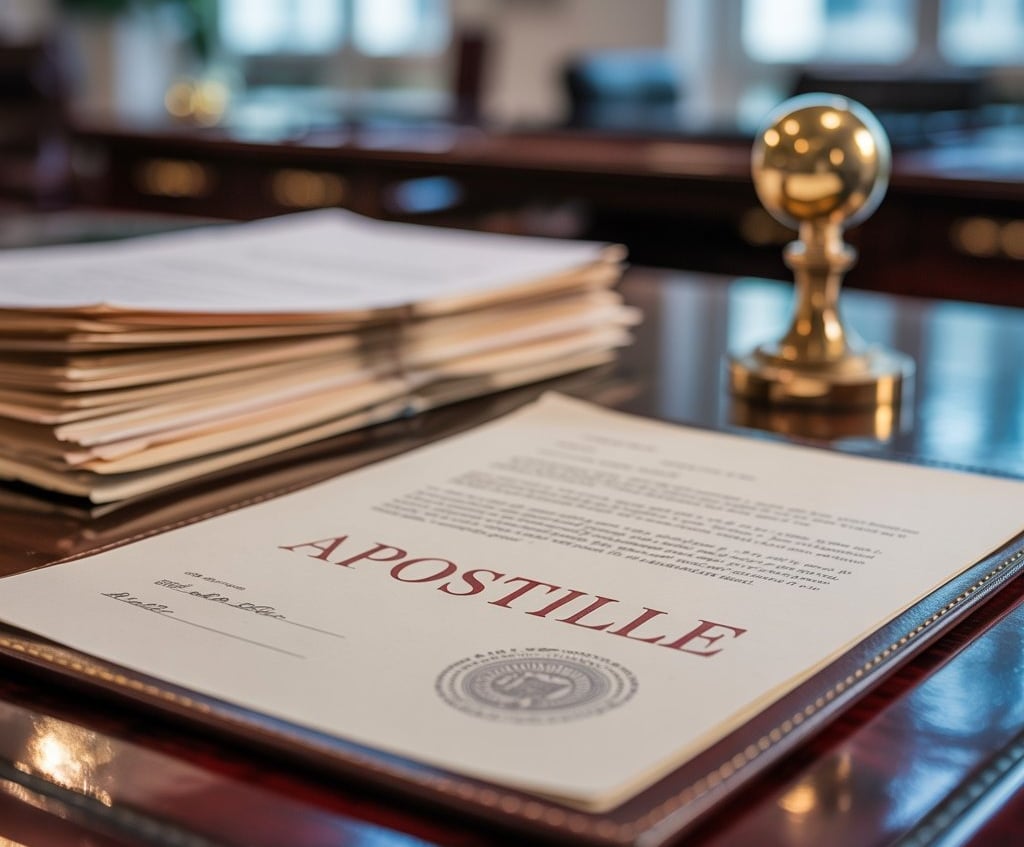
Introduction to Apostille Certificates
An apostille certificate serves as a crucial means of document validation in an international context, allowing documents originating from one country to be recognized in another. This process of verification stems from the Hague Convention Abolishing the Requirement of Legalization for Foreign Public Documents, commonly known as the Hague Convention on Apostille, adopted in 1961. The primary purpose of the apostille is to simplify the authentication of public documents such as birth certificates, marriage licenses, and educational diplomas, thereby facilitating international legal transactions and personal affairs.
The significance of an apostille certificate lies in its ability to ensure that a document remains legitimate and trustworthy beyond national borders. For countries that are party to this Convention, an apostille acts as a standardized form of validation, exempting documents from the more tedious legalization formalities that would otherwise involve multiple attestations and bureaucratic processes. As a result, apostilled documents are widely accepted in member states, allowing for seamless international communications and dealings.
As of now, over 120 countries are parties to the Hague Convention, making the apostille a widely recognized method for validating foreign public documents. Each country establishes its own designated authority responsible for issuing apostille certificates, which adds a layer of specificity to the process. The reach and adoption of the apostille method present significant advantages for individuals and organizations dealing with international legal matters, as it fosters trust and reliability across different jurisdictions. Thus, understanding the concept of apostille certificates and their practical implications is essential for anyone navigating global documentation requirements.
Understanding the Hague Convention
The Hague Convention of 1961, formally known as the Convention Abolishing the Requirement of Legalisation for Foreign Public Documents, serves as a significant milestone in the realm of international document validation. Its primary objective was to streamline the process of recognizing public documents across member countries, effectively abolishing the cumbersome requirement for diplomatic or consular legalization. By introducing a simplified method known as the apostille, the Convention facilitates easier cross-border transactions and interactions, which is vital in our increasingly globalized world.
The Convention currently encompasses over 120 member countries, which have adopted the apostille process, allowing for swift and efficient validation of a variety of documents such as birth certificates, marriage licenses, and corporate records. Each member country must appoint a designated authority responsible for issuing apostilles, thereby standardizing the format and ensuring the authenticity and reliability of documents presented internationally. This collective effort not only enhances international cooperation but also fosters greater trust between nations.
One of the cornerstone principles of the Hague Convention is the mutual recognition of documents among member states. This principle ensures that a document certified in one nation is accepted in another, significantly reducing bureaucratic barriers. Additionally, the Convention emphasizes the importance of establishing trust between member states, highlighting the need for reliable systems that protect the integrity of documents. The trust established through the Hague Convention has facilitated smoother processes for individuals and businesses alike, thereby promoting international mobility and commerce.
In light of these principles, the Hague Convention remains a critical framework for ensuring that public documents retain their validity across borders, thereby simplifying international transactions and interactions for individuals and organizations alike.
Types of Documents that Require Apostille
An apostille is a key component in the international acceptance of a variety of documents. Understanding the types of documents that typically require an apostille is crucial for individuals and organizations engaged in cross-border activities. The most commonly recognized categories include personal documents, legal documents, and professional documents.
Personal documents, such as birth and marriage certificates, often need an apostille when they are presented in a foreign country. This validation process confirms the authenticity of the documents and their origin, which is particularly important in legal matters such as immigration or family law proceedings. Additionally, divorce decrees and adoption papers are also frequently apostilled, ensuring that their legitimacy is accepted internationally.
Legal documents, including court orders, powers of attorney, and various legal filings, may also necessitate an apostille. These documents are often required in international legal situations where parties need to provide proof of authorized actions or decisions made in one jurisdiction to another. An apostille serves to streamline the verification process, making it easier for foreign authorities to trust the documents' integrity.
Furthermore, professional documents such as diplomas and academic transcripts are important in the education and employment sectors. When individuals seek further education or employment abroad, an apostille may be required to authenticate their qualifications. This step validates educational accomplishments and can significantly influence hiring and admission decisions in foreign countries.
In essence, recognizing the various types of documents that require an apostille is essential for anyone involved in international endeavors. Whether dealing with personal issues, legal proceedings, or professional opportunities, ensuring that documents are appropriately apostilled improves their validity and acceptance in other jurisdictions.
The Apostille Process: Step-by-Step Guide
Obtaining an apostille certificate involves several crucial steps that ensure your document is properly authenticated for international use. The process begins with document preparation, where it is essential to ensure that all documents to be apostilled are original or certified copies. This could include birth certificates, marriage licenses, or corporate documents. Each country may have specific requirements regarding what constitutes acceptable documentation, thus it is advisable to verify these details with the relevant authority in your jurisdiction.
Once your documents are prepared, the next step is to determine the appropriate authority to apply for the apostille. In many countries, this is usually the Secretary of State or a designated government office. You may need to fill out an application form, which varies by location, and attach the documents you require to be apostilled. It's important to note that in some instances, you may need to first have your documents notarized by a legal professional, depending on the document type and jurisdiction.
In terms of fees, the costs for obtaining an apostille can vary significantly based on the issuing authority and the number of documents you are submitting. Some jurisdictions might charge a flat fee, while others may charge per document. It is advisable to check the official website of the designated authority for the most accurate fee structure. Additionally, processing times can also differ by country; some may offer expedited services while others follow standard processing times which can range from a few days to several weeks.
Finally, it is essential to be aware that variations in the apostille procedure may exist based on the country you are dealing with. Factors such as whether a document is being sent for an apostille abroad or if it's being managed through local channels can influence the process. Researching the specific apostille requirements and procedures pertinent to your documents will facilitate a smoother accreditation experience.
Common Challenges in Obtaining Apostille
Acquiring an apostille certificate can present various challenges that may affect the overall process. One of the primary issues revolves around document eligibility. Not all documents are eligible for apostille certification. For instance, documents that are not public records, such as personal correspondence or private contracts, typically do not qualify. Potential applicants must ensure their documents fall within the types recognized by the Apostille Convention to avoid unnecessary delays.
Another significant challenge is processing delays, which can stem from various sources, including improper documentation or an overwhelmed issuing authority. Depending on the jurisdiction, processing times can vary widely, and it is not uncommon for applicants to experience longer-than-expected wait times. Individuals should consider starting the apostille process well in advance of any deadlines to accommodate any unforeseen delays. Additionally, ensuring that all required documents are included and complete can facilitate a smoother process.
Misunderstandings about the apostille requirements can also lead to complications. Each state or country may have distinct regulations regarding what constitutes an acceptable document and the specific process to follow. It's essential for applicants to conduct thorough research or consult with experts to fully comprehend the specific requirements in their respective jurisdictions. This can help prevent errors that might result in rejections or reapplication.
To navigate these challenges effectively, individuals should consider seeking guidance from professionals knowledgeable in the apostille process. Utilizing resources available through official government websites or reputable service providers can also streamline application. By familiarizing themselves with common obstacles and preparing accordingly, individuals can mitigate potential issues and ensure a more efficient apostille certification process.
Legitimacy and Recognition of Apostille Certificates
Apostille certificates play a critical role in establishing the legitimacy of documents intended for international use. The Hague Convention of 1961, an international treaty designed to simplify the process of document recognition, formalized the use of apostilles. An apostille is essentially a certificate that authenticates the origin of a public document, such as birth certificates, marriage licenses, and academic degrees. This validation allows for seamless acceptance of such documents across signatory countries, reducing the need for further verification procedures.
One of the key aspects of apostille legitimacy lies in its international recognition. Countries that are members of the Hague Convention accept apostilles as equivalent to legalization procedures. However, it is essential to understand that apostille certificates may not hold the same status in non-member countries. In these instances, the documents may require additional forms of legalization, which could involve various layers of authentication by government bodies. Hence, it is crucial for individuals to be aware of the specific requirements of the country in which they intend to use the apostilled documents.
Moreover, the distinction between apostille certificates and other forms of document legalization cannot be understated. Unlike standard legalization, which may require consular or embassy verification, an apostille streamlines the process, making it more efficient and less time-consuming. However, the validity of an apostille ultimately hinges on the legal framework and cultural acceptance of specific jurisdictions. Therefore, before submitting apostilled documents abroad, it is advisable to research local regulations and practices thoroughly. Engaging with local legal experts or authorities can provide clarity, ensuring that the apostille is respected and accepted as intended. Understanding the nuances of apostille legitimacy is imperative for anyone navigating international document validation.
Conclusion and Additional Resources
In summary, the apostille certificate stands as a vital instrument in the realm of international document validation. It serves to authenticate documents that are to be used in foreign jurisdictions, thereby simplifying the process of accepting legal documents across borders. The essential takeaway from this guide is the significance of apostilles in ensuring that documents such as birth certificates, marriage licenses, and school transcripts maintain their legitimacy internationally. Understanding the role of apostille certificates can greatly benefit individuals and businesses alike as they navigate the complexities of international law and document recognition.
For those seeking to further explore the apostille process, various resources are available that can provide additional insights and support. Official government websites often offer comprehensive information regarding the apostille procedure, including application forms, fees, and submission guidelines. The Hague Conference on Private International Law is another excellent reference point that elucidates the Apostille Convention and its impact on international document handling.
Additionally, numerous professional services specialize in apostille processing. These organizations can assist individuals in ensuring that their documents adhere to specific governmental requirements, thus facilitating a smoother and more efficient apostille experience. For optimal assistance, consider reaching out to local or national apostille service providers, which frequently list their contact information and service details online.
In conclusion, navigating the apostille process can be intricate, yet the availability of resources, coupled with the assistance of professional services, can significantly alleviate the challenges faced. Embracing the importance of apostille certificates will empower individuals and entities to engage confidently in global transactions and undertakings.