
Apostille & Embassy Attestation Explained "apostille process"
Discover the essential guide to understanding the apostille process and embassy attestation for education and commercial documents. Learn about international document verification and the importance of document legalization for global transactions.
10/8/20257 min read
Introduction to Apostille and Embassy Attestation
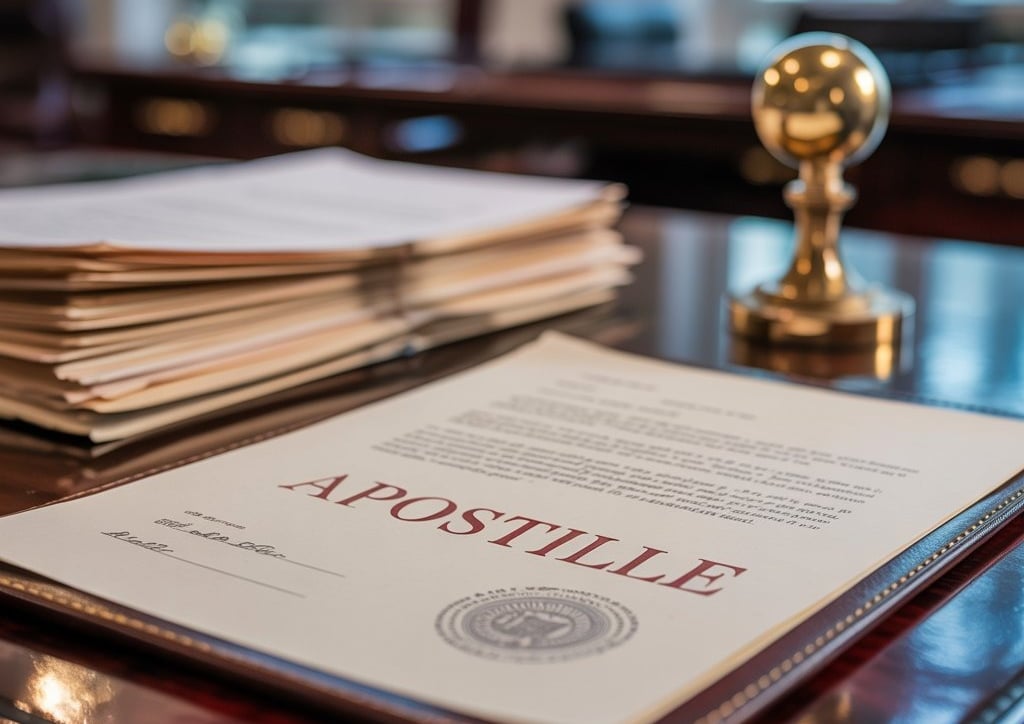
Apostille and embassy attestation serve as critical processes when it comes to the validation of documents intended for use in international settings. An apostille is a certificate issued by a designated authority in a country, confirming that the document in question is genuine and that the signatures, seals, or stamps are authentic. This process adheres to the Hague Convention, which facilitates the international acceptance of documents that have been apostilled, thereby streamlining the verification process across member states. Educational and commercial documents frequently require this form of certification to ensure their acceptance abroad.
On the other hand, embassy attestation involves the verification of documents by the embassy or consulate of the country where the documents will be used. This process adds an additional layer of validation, as it not only confirms the authenticity of the document but also verifies that it complies with the legal and procedural requirements of the receiving country. Embassy attestation is particularly relevant for documents such as educational qualifications, business contracts, and other official records.
The significance of apostille and embassy attestation cannot be overstated as they ensure the recognition and validity of documents across borders. Educational institutions may require apostilled degrees or transcripts for students seeking admission in foreign universities, while businesses often need attested contracts or agreements for international transactions. Thus, understanding the distinctions between apostille and embassy attestation, along with their respective roles in document validation, is essential for anyone involved in educational or commercial activities that span multiple countries.
Why Respectively Use Apostille and Embassy Attestation?
The necessity for legal document verification arises in various contexts, especially for individuals and businesses engaging in international affairs. Apostille and embassy attestation serve as two fundamental methods for authenticating documents, each with specific applications and requirements. Understanding the distinctions between these two procedures is crucial for determining the appropriate method for different situations.
Apostille, a simplified authentication method, is typically used in countries that are signatories to the Hague Convention. This process verifies the authenticity of public documents, allowing them to be accepted across borders without the need for further authentication. It is most commonly utilized for educational documents, such as degrees or transcripts, when individuals plan to study or work internationally. For education-oriented pursuits in countries recognized under the Hague Convention, apostille stands out as an efficient and streamlined solution.
On the other hand, embassy attestation is often necessary when dealing with countries that are not members of the Hague Convention. This process requires the document be verified by the appropriate authorities before it is submitted to the embassy for further validation. This method is frequently employed for legal documents, commercial contracts, and business-related certifications. The embassy attestation is essential for ensuring that documents maintain their legal standing in jurisdictions that demand more rigorous scrutiny.
Both apostille and embassy attestation serve the vital purpose of confirming the authenticity of documents, thereby ensuring legal recognition across international borders. For individuals and firms involved in global transactions, selecting the correct method can significantly influence the efficacy of their operations and interactions abroad. Failure to understand these procedures may result in complications that could hinder business or academic aspirations. As such, a thorough comprehension of the appropriate use of apostille and embassy attestation is imperative.
The Apostille Process: Steps and Requirements
The apostille process serves as an essential mechanism for authenticating documents intended for international use. Developed under the Hague Convention, it simplifies the procedure by allowing documents to be validated without resorting to complex diplomatic channels. To begin the apostille process, individuals must first identify the type of document they wish to have validated. Common categories include educational certificates, commercial documents, and legal papers.
Once the document type is established, the initial step is to ensure that the document is an original or an officially certified copy. For educational certificates, this often means obtaining a notarization from a qualified notary public. Meanwhile, commercial documents may require extra scrutiny to guarantee their legitimacy. Depending on the issuing entity, some documents may need to be endorsed by a relevant government authority, such as the Secretary of State or equivalent.
After securing the necessary signatures or endorsements, the next step is to submit the document for apostille. This usually entails a formal application, which includes providing personal identification details and payment of applicable fees. Each jurisdiction may have different requirements and procedures, so it is crucial to consult the specific authority responsible for issuing apostilles.
More nuanced considerations may arise for certain document types. For instance, translations may be necessary for documents that are not in the language of the receiving country. It is vital to ensure all documents comply with the standards set forth by the Hague Convention to avoid any complications during the apostille process.
By following these steps meticulously, individuals can obtain an apostille that effectively authenticates their documents, thereby facilitating their use in countries that recognize this form of validation.
Embassy Attestation: Process and Regulations
Embassy attestation is a critical process for validating education and commercial documents for use in foreign countries. The procedure ensures that the documents are recognized as authentic by the respective foreign embassies, thus facilitating their acceptance abroad. To start the embassy attestation process, there are several key steps to follow.
Firstly, the applicant must gather the necessary documents that need to be attested. This may include educational certificates, commercial invoices, or any legal documents required for business transactions or immigration purposes. It is essential to ensure that all documents are complete and accurate, as discrepancies may cause delays or rejection by the embassy.
Next, applicants often need to have their documents notarized. Notarization provides an additional layer of validation before proceeding to the embassy. After notarization, the documents should be submitted to the appropriate government department for preliminary verification. This step typically involves the Secretary of State or equivalent authority, which verifies the authenticity of the signatures on the documents.
Once verified, the documents can be presented to the foreign embassy. Each embassy may have specific requirements regarding the submission of paperwork, so it’s crucial for applicants to check the embassy's website or contact them directly for detailed instructions. Various embassies may require a request letter, proof of identity, and payment of applicable fees, which can vary significantly depending on the type of document and the processing speed selected.
As for processing times, they may range from several days to a few weeks, contingent on the embassy's current workload and policies. Unlike an apostille, which is a uniform certification under the Hague Convention, embassy attestation carries different regulations tailored to each country's diplomatic protocols. Understanding these differences is vital for streamlining the process and ensuring the successful attestation of essential documents.
Comparative Analysis: Apostille vs Embassy Attestation
The processes of apostille and embassy attestation serve as critical means of verifying educational and commercial documents for international use. Though both methods aim to ensure the authenticity of documents, their procedures, applicability, and recognition worldwide differentiate them significantly.
Apostille is a simplified verification mechanism stemming from the Hague Convention of 1961. It allows documents to be recognized in countries that are signatories to the convention. The primary advantage of the apostille process is its efficiency and ease. Once a document is apostilled by a designated authority, such as a government agency, it is generally accepted in all member countries without further authentication. However, its limitation lies in its applicability solely to countries that are part of the treaty, potentially leaving non-member nations unrecognized when relying on apostilled documents.
On the other hand, embassy attestation caters to both signatory and non-signatory countries of the Hague Convention. This method requires documents to be authenticated through an respective embassy or consulate, and while this process can often be more rigorous and time-consuming, it ensures broader acceptance globally. The downside is that the requirements for embassy attestation can vary substantially from one country to another, leading to potential delays in document processing.
| Criteria | Apostille | Embassy Attestation |
|---|---|---|
| Applicable Countries | Hague Convention Signatories | All countries |
| Process Duration | Usually faster | Can be lengthy |
| Verification Level | Minimal (government agency) | Rigorous (embassy or consulate) |
Both apostille and embassy attestation have unique strengths and weaknesses. Understanding the document verification process pertinent to one’s needs can significantly influence international dealings and reduce complications in document acceptance across borders.
Common Challenges and Solutions
Obtaining apostille and embassy attestation for education and commercial documents can often be fraught with challenges. Individuals might encounter issues such as document rejections, misunderstandings about specific requirements, or delays in processing times. One frequent challenge arises from improperly formatted documents, which can lead to immediate rejection during the initial review process. For example, inconsistency in names, dates, or signatures can raise red flags. To mitigate this risk, it is crucial to carefully review all documents prior to submission. Ensuring alignment with the required formats and guidelines will significantly enhance the likelihood of acceptance.
Another common issue entails a lack of awareness regarding different authentication processes required for various documents. Many individuals assume that the requirements are uniform, resulting in the submission of incomplete paperwork. To address this concern, it is advisable to conduct thorough research about the specific apostille and embassy attestation requirements for the relevant jurisdiction and type of document. Utilizing official government resources or seeking professional assistance can provide clarity on these requirements.
Processing delays can equally frustrate applicants, particularly when time-sensitive matters are involved. Factors contributing to delays may include high application volumes or incomplete submissions. To expedite the process, applicants should ensure all necessary documentation is in order, consider utilizing expedited services offered by some agencies, and remain proactive in following up on their application status.
Lastly, miscommunication with authorities can lead to further complications. Individuals should maintain open lines of communication with the relevant offices, asking questions clearly and documenting any interactions for reference. By being well-informed and organized, applicants can navigate the complexities involved in obtaining apostille and embassy attestation more effectively, ensuring a smoother and less stressful experience throughout the process.
Conclusion and Final Thoughts
In today's globalized world, understanding the procedures of apostille and embassy attestation is crucial for individuals and businesses dealing with international documentation. This blog post has elaborated on the definitions and distinctions between these two forms of document verification, highlighting their unique purposes and contexts in which they are utilized. Apostille serves as an international certification mechanism for documents from countries that are part of the Hague Convention, streamlining the process for educational credentials and certain commercial documents. On the other hand, embassy attestation involves the verification of documents by a local embassy or consulate, particularly relevant for countries that are not signatories to the Hague Convention.
Recognizing when to use apostille versus embassy attestation can significantly impact the validity and acceptance of your documents abroad. It is essential to ensure that the appropriate certification method aligns with the requirements of the country in which the documents will be presented. Failure to comprehend these differences may lead to delays or complications in international dealings, emphasizing the importance of investing time to understand these processes thoroughly.
For those eager to expand their knowledge on this topic, various resources are available, including government websites, legal experts in international law, and specialized services in document authentication. Such resources can provide clarity on specific requirements based on individual circumstances or regional stipulations. Engaging with these materials is encouraged, as they can offer valuable insights into the complexities associated with apostille and embassy attestation. By familiarizing oneself with these critical processes, individuals and businesses can better navigate the often intricate landscape of international documentation.