
Apostille and Embassy Attestation: A Simplified Guide for Students and Job Seekers
Apostille and Embassy Attestation: Simplified Guide for Students & Job Seekers
8/19/20254 min read
Understanding Apostille and Embassy Attestation
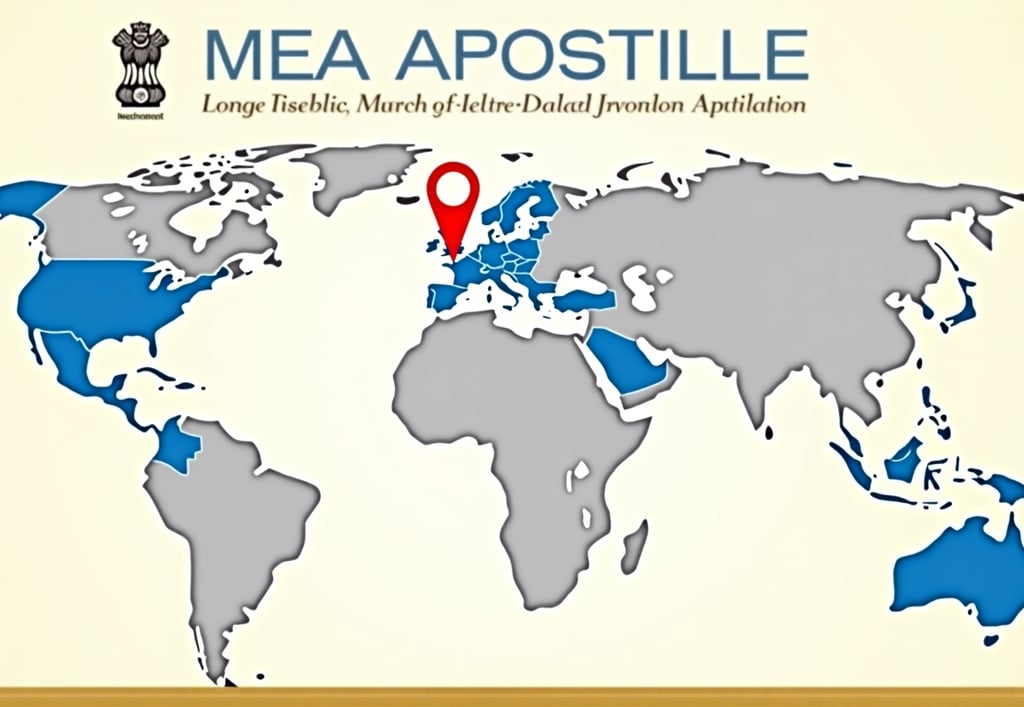
Apostille and embassy attestation are vital processes that authenticate documents for use in foreign countries, primarily for students seeking education abroad and job seekers applying for international positions. An apostille is a certification issued under the Hague Convention of 1961, which simplifies the process of legalizing documents for international use. It is commonly required for documents such as diplomas, birth certificates, and marriage certificates. The purpose of an apostille is to verify the legitimacy of the signature and seal on a document, thereby facilitating its acceptance in a member country without requiring further authentication. This procedural step is essential, as many educational institutions and employers abroad necessitate an apostille to ensure the authenticity of the applicant's documents.
In contrast, embassy attestation entails obtaining verification from the embassy or consulate of the country where the document will be presented. This process involves validating the document in accordance with the specific requirements of that country, which might necessitate additional documentation, such as a verification letter or specific forms. Embassy attestation is particularly crucial for individuals planning to work or study in non-Hague Convention countries, as an apostille may not be recognized there. It ensures that the documents meet the destination country's standards and are deemed authentic.
Understanding the distinction between apostille and embassy attestation is crucial for both students and job seekers. While an apostille may suffice for acceptance in many countries, others may strictly require embassy attestation. Knowing when to utilize each process can save time and prevent complications in securing positions or admissions abroad. Consequently, grasping these concepts is a fundamental step for individuals pursuing opportunities in international arenas.
The Apostille Process: Step-by-Step
The apostille process serves as a vital mechanism for authenticating documents for use in foreign jurisdictions. It simplifies the recognition of documents across borders, primarily aimed at students and job seekers aiming to utilize their credentials internationally. The initial step in this process involves thorough document preparation. It is essential to ensure that the documents are original or certified copies, as most authorities require this for the apostille to be valid. Common documents that require an apostille include diplomas, transcripts, and legal documents.
Following document preparation, the next step is submission to the appropriate authority. This authority typically varies by country; in many cases, it is a designated government office or a specific department within the Ministry of Foreign Affairs. It is crucial for applicants to identify which authority manages apostille services in their country to prevent unnecessary delays. Some countries allow applications for an apostille to be made online, while others mandate in-person submissions, so applicants should verify the submission rules that apply to their locality.
The processing time for obtaining an apostille can differ significantly based on the country and the volume of applications received. In many situations, processing may take anywhere from a few days to several weeks. It is advisable for applicants to check estimated processing times with the respective authority to set realistic expectations. Additionally, costs associated with the apostille process vary by country; it can range from a minimal fee to more significant expenses based on urgency or the number of documents submitted. Knowing these details in advance will aid students and job seekers in effectively planning their submission. Furthermore, applicants should be aware of any specific requirements or supporting documents that must accompany the original documents, as these can vary widely among jurisdictions.
Understanding Embassy Attestation: Procedures and Requirements
Embassy attestation serves as a verification mechanism ensuring that documents are authentic and meet the legal requirements for use in a foreign country. Unlike apostille, which is primarily utilized in countries that are party to the Hague Convention, embassy attestation is often necessary for nations where the apostille is not recognized. The procedures and requirements for embassy attestation can vary significantly depending on the specific country and the type of document being attested.
The initial step in the embassy attestation process typically involves obtaining the necessary documents, such as educational certificates, marriage certificates, or business documents. Before you approach the embassy, it's essential to verify that your documents are duly signed and stamped by the relevant authorities in your home country. Common prerequisites include notarization, state attestation, or verification by the Ministry of Foreign Affairs, tailored to the document type. Document preparation may vary according to specific country guidelines, necessitating careful review of the required procedures.
Once the documents are adequately prepared, the next step is to visit the relevant embassy or consulate. It is advisable to check if an appointment is required, as some embassies operate on a scheduled basis. During your visit, you will need to submit your documents along with a completed application form and any applicable fees. The embassy will then conduct their procedure, which typically includes scrutinizing the authenticity of signatures and seals, ensuring that everything aligns with legal expectations.
The significance of embassy attestation cannot be overstated. For students seeking to study abroad or job seekers aiming to work in foreign countries, a properly attested document enhances credibility and compliance with local laws. Furthermore, it facilitates smoother interactions with foreign authorities, reducing the potential for legal complications. Understanding the embassy attestation process is therefore crucial for anyone intending to travel or migrate for education or employment.
Common Challenges and Tips for Students and Job Seekers
Navigating the processes of apostille and embassy attestation can present several challenges for students and job seekers. One significant hurdle is the understanding of the specific requirements for document authentication, which can vary depending on the destination country. Misinterpretation of these requirements often leads to unnecessary delays and complications, resulting in wasted time and resources.
To avoid common pitfalls, individuals should begin by thoroughly researching the apostille and embassy attestation requirements relevant to their circumstances. Each country typically has an official government website or embassy that provides detailed information. Utilizing these resources can help clarify what documents are needed and what procedures to follow. Additionally, individuals should keep track of any changes in regulations or procedures, as these can occur frequently.
Another challenge arises from improper documentation. Students and job seekers must ensure that their original documents are in order before initiating the apostille or attestation process. This includes verifying that all signatures and seals are legitimate. If there are discrepancies, such as incorrect names or dates, these issues must be resolved beforehand to prevent rejection of the application.
Time management is also critical. Engage in the process well in advance of your intended application deadlines. By doing so, you can better handle any unforeseen issues that may arise. It is advisable to contact the relevant authorities or embassies directly for guidance, as they can provide valuable assistance tailored to your specific needs.
Finally, consider seeking professional help when needed. Agencies specializing in apostille and embassy attestation can streamline the process, reducing the burden and ensuring compliance with all requirements. By equipping yourself with the right knowledge and resources, you can effectively navigate the challenges associated with document authentication for your international endeavors.