
First Step, Best Step: Navigating Apostille Document Verification
7/29/20254 min read

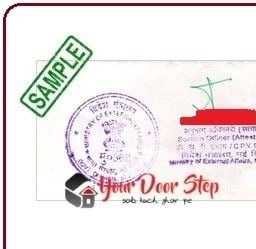
Understanding Apostille: What It Is and Why It Matters
An apostille is a certification issued by a designated authority in a country, attesting to the authenticity of a signature, seal, or stamp on a public document. This process is crucial for international document verification, as it simplifies the acceptance of documents between countries that are part of the Hague Convention of 1961. With the global nature of business and personal affairs, the apostille serves as a valuable tool in ensuring that documents, such as birth certificates, marriage licenses, diplomas, and corporate records, are recognized beyond their country of origin.
The origins of the apostille can be traced back to the Hague Convention, which aimed to eliminate the cumbersome and often contradictory requirements of legalizing documents across borders. Prior to this, countries frequently demanded that foreign documents be authenticated, which typically involved excessive paperwork and delays. The apostille process streamlines this by creating a universal method that verifies the legitimacy of signatures and seals, thus facilitating smoother transactions internationally.
Documents that typically require an apostille include government-issued records, educational certificates, and notarial acts. Individuals and organizations often need to utilize this verification process when engaging in international adoptions, pursuing employment overseas, enrolling in foreign educational institutions, or conducting business transactions across borders. In each of these scenarios, having an apostille validates the document, reducing the risk of disputes and facilitating trust among parties from different nations.
Understanding the apostille process and its relevance is vital in today’s interconnected world. It not only saves time but also mitigates the complexities associated with proving document authenticity, making it an essential step for those navigating international exchanges.
The Apostille Process: Step-by-Step Guide
The apostille process facilitates the international recognition of documents through a series of methodical steps. Initially, the document in question must be prepared properly. Ensure that it meets the necessary standards for an apostille, such as being notarized or bearing an official signature, depending on the requirements of the destination country. Familiarizing yourself with these prerequisites is essential to avoid delays in the process.
Once your document is prepared, the next step involves verifying its eligibility for an apostille. This typically includes confirming that the document has been issued by a competent authority. The term "competent authority" refers to the specific government office designated to issue apostilles, varying from one country to another. In the United States, for example, state secretaries of state generally handle this function, while other countries may have their own designated agencies. It is advisable to consult the official website of the relevant authority to ascertain the precise requirements and processes.
Following verification, you must submit your document to the appropriate authority for the apostille service. Many authorities allow submission via mail, while in-person visits may be required in some cases. During this step, you often need to provide necessary documentation, such as a cover letter detailing your request and payment for the apostille fee. Timeliness is paramount since processing times can vary, and unexpected delays can result in missed deadlines, particularly for time-sensitive matters.
Lastly, practical tips include keeping copies of all submitted documents and tracking numbers for mailed submissions. Additionally, you should inquire about expedited services if you require the apostille urgently. Overall, following these outlined steps can greatly enhance the efficiency of the apostille process and ensure the successful validation of your documents for use abroad.
Costs and Timeframes: What to Expect
When navigating the apostille document verification process, understanding the associated costs and timeframes is essential for effective planning. The overall expense for obtaining an apostille can vary based on several factors, including the issuing authority, the type of documents, and whether you choose to use a professional service. Typically, government fees for apostille services range from $20 to $100 per document, depending on the state or country of issuance. Additionally, if you opt for a private service to expedite the process, fees can increase significantly, potentially adding another $50 to $200 to your total costs. It's important to research and compare different agencies, as their service charges and processing times can differ quite a bit.
In terms of timeframes, the processing duration for an apostille can vary widely. For example, requests made directly through government offices may take anywhere from a few days to several weeks, particularly if documents are complicated or require further verification. Those using expedited services might receive their apostilled documents within 24 to 48 hours, though such rapid processing typically incurs higher costs. Geographic location also plays a significant role; certain states or countries are known for quicker turnaround times than others. Understanding these variations will enable individuals and businesses to set realistic expectations and align their document verification efforts with any deadlines they may face.
Moreover, factors such as the method of submission—whether in person, by mail, or through an online portal—also impact the overall time required. Planning ahead and being aware of peak times for document requests can also help mitigate delays. By taking all these elements into account, individuals can ensure a smooth experience when pursuing their apostille document verification.
Common Challenges and Solutions in Apostille Verification
The process of apostille document verification can often be fraught with various challenges that individuals and organizations may encounter. One of the most common issues is incomplete documentation. When submitting documents for apostille verification, it is vital to ensure that all required paperwork is included. Missing signatures, notary seals, or additional documentation can lead to significant delays and rejections. To mitigate this, individuals should carefully review the specific requirements of the jurisdiction requesting the apostille and utilize checklists to confirm that all necessary elements are included.
Delays in processing are another prevalent challenge. The time required for apostille verification can vary widely based on the location and the volume of requests being processed. It is advisable to submit documents as early as possible, especially when deadlines are approaching. Furthermore, individuals should explore expedited services, which may be available at an additional cost to reduce wait times significantly.
Additionally, misunderstandings related to the apostille requirements of different countries can complicate the process. Each country may have unique documentation requirements, and failing to align with these can result in rejected requests. To avoid confusion, individuals should conduct thorough research or consult with experts in international document handling. Professional services can provide valuable insights into the specific apostille requirements necessary for the country with which one is dealing.
In the unfortunate event of a rejection, it is advisable to seek clarification from the issuing authority to understand the reason behind the decision. This will allow for prompt corrections. Lastly, legal assistance or support from notaries who specialize in apostille services can be invaluable in navigating potential issues. By implementing these strategies, individuals and organizations can overcome common challenges and achieve successful apostille verification.