
Apostille in Nepal: What It Is and Why You Need It for Global Recognition
7/19/20254 min read

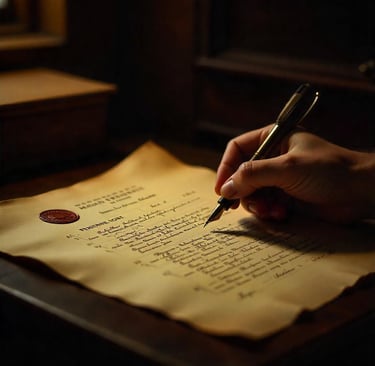
Understanding Apostille: Definition and Purpose
An apostille is a specialized certificate that authenticates the origin of a public document. Originating from the Hague Convention of 1961, an apostille streamlines the process of verifying documents intended for use in foreign countries. The primary aim of this legal mechanism is to simplify international document authentication, thereby eliminating the need for further verification in the destination country. By endorsing a document with an apostille, the verifying authority confirms that the document's signatures, seals, or stamps are genuine and duly recognized.
The apostille process is vital for individuals and organizations that require the use of their documents abroad, be it for academic purposes, business agreements, or legal proceedings. When a document is apostilled, it is recognized by all the member countries of the Hague Convention as valid and trustworthy. This global acceptance is what makes the apostille system particularly effective and essential in today’s interconnected world.
Furthermore, documents that commonly require an apostille include birth certificates, marriage licenses, diplomas, and corporate documents, among others. The certification process involves various steps, usually beginning with the document being certified by a competent authority in the issuing country. After obtaining the necessary local authentication, the document is then presented to the designated authority for the issuance of the apostille. This ensures that the document retains its legality and integrity across different jurisdictions.
In conclusion, an apostille serves as a powerful tool in the realm of international law by affirming the authenticity of documents and facilitating their acceptance worldwide. As globalization continues to influence numerous sectors, understanding the function and significance of an apostille becomes increasingly important for anyone engaging in international activities.
The Apostille Process in Nepal
The process of obtaining an apostille in Nepal is essential for those seeking international recognition of their documents. An apostille certifies the authenticity of documents intended for use in countries that are party to the Hague Convention. To initiate the apostille process, one must first identify the type of document that requires an apostille. Common documents that are eligible for this service include educational certificates, marriage certificates, and business documents.
Once the correct documents are identified, the next step is to have these documents verified by the relevant authorities within Nepal. For example, educational certificates need to be verified by the Ministry of Education, while marriage certificates must be authenticated by the Ministry of Foreign Affairs. This verification is crucial, as it ensures that the documents are legitimate before they can be apostilled.
After obtaining the necessary verifications, individuals can proceed to request the apostille. This is typically conducted through the Department of Consular Service at the Ministry of Foreign Affairs. Applicants must submit the verified documents along with any required application forms, identification, and fees. It is advisable to ensure all paperwork is completed accurately to avoid delays. Be aware that processing times may vary, so planning ahead is essential.
Common challenges in this process include navigating bureaucratic hurdles and understanding the specific requirements for different types of documents. To mitigate these issues, individuals seeking apostille services in Nepal are encouraged to seek guidance from professionals or institutions familiar with the procedures. Additionally, maintaining clear communication with the authorities can significantly streamline the process.
In conclusion, understanding the step-by-step requirements for obtaining an apostille in Nepal is fundamental for individuals needing to affirm the authenticity of their documents for international purposes. Proper preparation and awareness of the responsibilities of various authorities can facilitate a smoother experience in this process.
Why You Need an Apostille for Global Recognition
In today's interconnected world, the need for global recognition of personal and professional documents has become increasingly significant. An apostille serves as a crucial mechanism for ensuring that documents such as birth certificates, marriage licenses, and academic degrees are accepted internationally. By validating the authenticity of these documents, an apostille enables individuals to engage in various activities abroad, including employment, education, and legal matters.
One of the most relevant scenarios where an apostille is necessary is for employment purposes. Employers in foreign countries often require proof of an applicant's credentials. Without an apostille, degrees and certificates may not be deemed legitimate, leading to potential job opportunities being lost. Similarly, in the realm of education, students seeking to pursue studies overseas must provide officially recognized documentation. An apostille appends the verification necessary for institutions to accept these educational qualifications without dispute.
Legal matters warrant another key area for the need for an apostille. Individuals may find themselves needing to present legal documents, such as power of attorney or marriage registrations, in a foreign jurisdiction. The absence of an apostille can complicate legal procedures, resulting in delays or outright rejection of documents by foreign authorities.
Failure to obtain an apostille can have far-reaching consequences, impacting one's ability to conduct business or travel abroad. Without an apostille, even simple actions like registering a business or obtaining a visa can become burdensome and time-consuming. Countries have established these procedures to streamline documentation acceptance, and individuals must adhere to these requirements to avoid bureaucratic obstacles.
In summary, obtaining an apostille is vital for ensuring that your personal and professional documents possess global validity. The implications of not having this essential authentication could hinder opportunities across various sectors, emphasizing the need for proper documentation in today's global landscape.
Conclusion: Final Thoughts on Apostille Services in Nepal
Throughout this blog post, we have delved into the concept of apostille services in Nepal and their crucial role in ensuring the legitimacy of documents for international use. The apostille process, defined under the Hague Convention, streamlines the verification of documents, allowing individuals to present their credentials in foreign countries without facing undue scrutiny regarding their authenticity. As globalization continues to expand our interactions, understanding and utilizing the apostille services becomes increasingly important.
We explored various scenarios in which individuals may require an apostille, including personal matters such as marriage and birth certificates, as well as professional needs encompassing employment documents and diplomas. Each of these instances underscores the necessity of the apostille process in facilitating seamless transitions and addressing legalities across borders. With an apostille affixed to a document, individuals can enhance its legitimacy and promote mutual acceptance of their credentials, thus easing various interactions on a global stage.
Furthermore, we have highlighted the steps involved in obtaining an apostille, along with the importance of working with authorized agencies and understanding the specific requirements for different types of documents. This information serves as a vital guide for anyone navigating the often complex legal landscape of international document validation. To effectively utilize apostille services in Nepal, it is advisable to consult with professionals or organizations that specialize in this area. These entities can provide insights on the requirements and assist in ensuring that the process is completed efficiently and accurately. For those seeking further assistance, numerous online resources and local agencies can provide the support needed to navigate the apostille process successfully.