
Apostille & Embassy Attestation: What You Must Know
Discover everything you need to know about apostille and embassy attestation. Learn how international document authentication and embassy document verification work to ensure your documents are recognized globally.
11/25/20257 min read
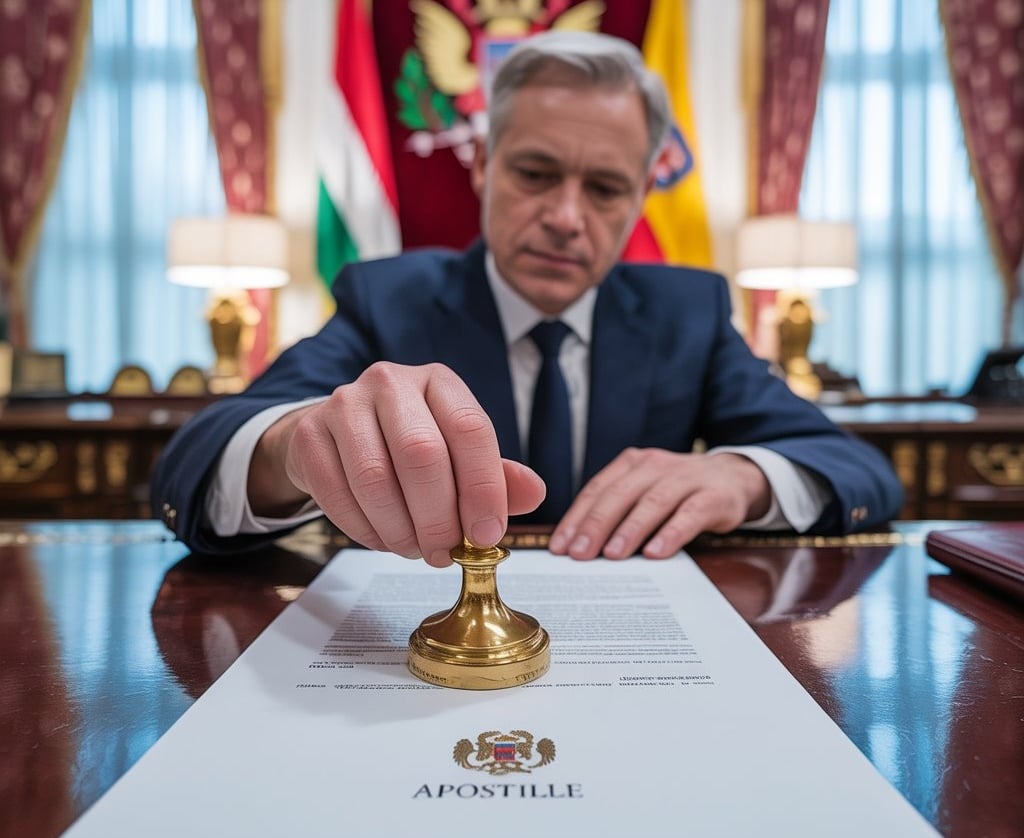

Understanding Document Apostille
A document apostille is a certification that authenticates the origin of a public document for use in countries that are signatories to the Hague Convention of 1961. This convention, which aims to simplify the process of international document verification, established a uniform system for the recognition of documents across borders. By affixing an apostille, authorities in one country verify that a document issued in another country is legitimate and can be trusted. This effectively streamlines the process of validating documents, whether they are used for legal, educational, or other formal purposes.
Documents that typically require an apostille include birth certificates, marriage licenses, academic diplomas, and court orders, among others. These documents may be needed for various international situations, such as immigration, employment, or legal proceedings. It is crucial for individuals and organizations to understand the specific types of documents that necessitate an apostille to ensure compliance with international requirements.
The process of obtaining an apostille involves several steps. The first step typically requires the issuance of the document by an appropriate governmental authority. After the document has been acquired, it must be presented to the designated authority responsible for issuing apostilles, which varies by country. This authority will verify the authenticity of the signature and the seal on the document before issuing the apostille certificate, which usually accompanies the original document. Many countries participate in the apostille agreement, but it is important to check if a specific country, where the document will be presented, is a member of the apostille convention.
In conclusion, understanding the concept of a document apostille and the procedures related to obtaining one is essential for individuals and organizations dealing with international documents. This certification plays a pivotal role in facilitating the recognition of documents in various jurisdictions.
The Process of Obtaining an Apostille
Obtaining an apostille can be a straightforward process if the necessary steps are followed meticulously. An apostille is an official confirmation, typically affixed to documents for international use, that certifies their authenticity. The first step involves determining the type of document that requires an apostille. Common documents include birth certificates, marriage certificates, academic credentials, and business documents. Each type may have different requirements for certification.
Once the document type is identified, the next step is to verify that the document is ready for apostille processing. This generally means that the document must be signed by an authorized individual, such as a notary public or a relevant government official. If not already signed, a visit to a notary will be necessary. It's crucial to ensure the notary or official is recognized by the state where the apostille will be issued.
After the document has been signed, the individual should contact the appropriate state authority that handles apostille services. This could be the Secretary of State's office or another designated agency. Each state may have specific procedures and requirements, so it is advisable to check the exact criteria on the official website or by calling their office. Additionally, potential fees for obtaining an apostille can vary significantly between states, typically ranging from $5 to $25 per document. Next, you will need to prepare for submission, which usually involves filling out an application form and possibly attaching a payment method.
Expect waiting periods to differ by state, with processing times averaging from a few days to a few weeks. To avoid delays, ensure that all documents are correctly formatted, complete, and follow any specific instructions provided by the state authority. Utilizing an expedited service, if available, may also be beneficial for those needing an apostille urgently.
Understanding Embassy Attestation
Embassy attestation is a formal verification process conducted by a country’s embassy or consulate, confirming the authenticity of documents for use in foreign jurisdictions. This procedure is particularly essential for individuals dealing with countries that are not parties to the Hague Convention. Unlike an apostille, which is a simplified form of verification recognized among member countries, embassy attestation requires a more intricate process to facilitate international document acceptance.
The need for embassy attestation arises primarily when individuals must present documents to foreign authorities in non-Hague Convention countries. This can include a range of documents such as educational certificates, marriage certificates, birth certificates, business documents, and legal contracts. The embassy or consulate evaluates the genuineness of these documents by verifying signatures, seals, and stamps from the issuing authority before providing its own attestation. This additional step enhances the credibility of the documents and assures foreign entities of their legitimacy.
There are several scenarios in which embassy attestation becomes mandatory. For instance, individuals seeking employment or education in non-Hague countries often need their academic qualifications attested. Similarly, foreign nationals marrying or establishing business ventures in countries outside the jurisdiction of the Hague Convention may require embassy attestation for their legal documents. The lack of mutual recognition among non-member countries necessitates this additional layer of verification to ensure that documents can be confidently accepted by foreign authorities.
In summary, understanding embassy attestation is crucial for those needing to authenticate documents. While it serves a similar purpose as an apostille, it is especially relevant for jurisdictions outside the Hague framework, providing the necessary validation for individuals navigating international requirements.
The Embassies' Role in Document Validation
Embassies play a pivotal role in the validation and authentication of documents intended for use in foreign nations. Their primary function is to ensure that the documents presented for attestation are legitimate and comply with all relevant regulations, which varies significantly from one country to another. This verification process often involves several procedural steps that embassies meticulously adhere to, aimed at safeguarding against fraudulent claims and ensuring the integrity of the documents.
Initially, when a document is submitted for verification, the embassy will check the authenticity of the issuing authority. This may involve communicating directly with the local government or official institution that issued the document. For instance, if an academic degree or a marriage certificate is presented, the embassy might require direct confirmation from the university or registry. This thorough verification process ensures that only genuine documents are endorsed, reinforcing their credibility in the international arena.
Furthermore, the types of document verification practices can vary widely depending on the diplomatic mission involved. Some embassies may have additional requirements or specific documents that need to accompany submissions, such as notarized copies or translations provided by authorized translators. It is essential for individuals seeking embassy endorsement to familiarize themselves with the specific guidelines and requirements of the relevant embassy beforehand. Different countries may also have unique regulations regarding the treatment of various documents, necessitating a targeted approach when preparing for the verification process.
In conclusion, embassies serve a critical function in the validation of essential documents through a systematic verification process that emphasizes authenticity and regulatory compliance. Engaging with embassies effectively can facilitate smoother international transactions, whether for personal, academic, or professional purposes.
Apostille vs. Embassy Attestation: Key Differences
Apostille and embassy attestation are two essential processes for the validation of documents intended for use in foreign countries. Though often confused, they differ significantly in their applications, procedures, and geographical relevance. Understanding these differences is crucial for individuals and businesses seeking to ensure the legal recognition of their documents abroad.
The apostille is a streamlined authentication method primarily used among countries that are signatories to the Hague Convention of 1961. This form of certification simplifies the process by eliminating the need for lengthy diplomatic verification. An apostille provides a level of assurance that the document has been validated by a designated authority in the originating country, making it widely accepted across the participating nations. These documents can encompass a variety of types, from educational credentials to legal instruments.
In contrast, embassy attestation is reserved for non-Hague countries or scenarios where documents must be presented in countries that do not accept apostilles. This process involves the verification of the document by the local embassy or consulate of the destination country. The embassy scrutinizes the document for authenticity and may require additional supporting documents before granting their attestation. This method provides a stronger layer of scrutiny and is often employed when dealing with international adoptions, marriage licenses, or other sensitive legal matters.
Geographically, the need for apostille versus embassy attestation varies, with the former being sufficient within the framework of Hague member countries. Conversely, countries not participating in this agreement require embassy attestation for the same level of legal acceptance. Consequently, understanding where the document will be utilized is fundamental in deciding which process to pursue, ensuring that the individual's or organization's requirements are met satisfactorily.
Common Mistakes and Challenges in the Apostille and Attestation Process
The process of obtaining an apostille or embassy attestation can be intricate, and individuals often encounter challenges that can lead to delays or rejections. Understanding these common mistakes can help streamline the experience and ensure that documents are appropriately authenticated.
One of the most prevalent issues is the submission of incomplete documentation. Applicants frequently underestimate the importance of thoroughness. It is vital to check the specific requirements for both apostille and embassy attestation, as these can vary significantly depending on the country and type of document involved. Incomplete applications not only delay processing but can also lead to financial repercussions if additional fees are incurred due to resubmissions.
Another common pitfall is the misunderstanding of specific requirements associated with the apostille process. Many individuals are unaware that certain documents must first be notarized before they can be apostilled. For example, legal contracts, academic transcripts, and various certificates often require the notary seal to verify authenticity. Familiarizing oneself with the nuances of document types and the necessary steps beforehand can mitigate this risk.
Additionally, applicants often fail to allocate adequate time for processing. The timelines for apostille and embassy attestation can vary widely; therefore, it is essential to plan accordingly, especially when time-sensitive issues are involved, such as international travel or legal proceedings. Rushing the process may lead to errors that could jeopardize the effectiveness of the documentation.
To avoid these challenges, potential applicants should conduct thorough research, consult with professionals if necessary, and organize their documentation meticulously. Consistent attention to detail and proactive planning can significantly ease the apostille and attestation process, ensuring that individuals do not encounter unnecessary setbacks.
Tips for Smooth Apostille and Attestation Experiences
Navigating the apostille and embassy attestation processes can seem daunting, but with the right approach, it can be made considerably easier. Here are some practical tips to ensure a smooth experience.
Firstly, it's essential to prepare your documents well in advance. Gather all necessary paperwork early; this includes identification, original documents, and any supplemental paperwork that may be required by the apostille service or the embassy. Being organized and having everything ready minimizes the risk of delays. It is wise to create a checklist of all required items and their specifications beforehand to avoid missing crucial details.
Secondly, consider engaging professional services that specialize in apostille and embassy attestation. These professionals possess expertise and experience in dealing with regulatory requirements and can facilitate the process significantly. They will help ensure that all documentation adheres to official standards, which can prevent the risk of rejections or additional delays.
Additionally, utilizing online resources effectively can aid significantly in your preparation. Many governmental and legal websites provide comprehensive guidance on the apostille and attestation processes. This can include FAQs, contact details of relevant authorities, and downloadable forms. Thoroughly researching these resources can arm you with the information you need to navigate the system confidently.
Finally, tracking the progress of your application is crucial. After submitting your documents, maintain regular communication with the service provider or the embassy to stay informed about your application’s status. This ongoing engagement can help you respond promptly to any issues or additional requirements that may arise.
Arming yourself with these strategies will empower you to approach the apostille and embassy attestation processes with greater confidence and less stress.