
How to Get an Apostille in India: Requirements & Fees
Discover how to get an apostille in India, including detailed information on requirements, processing time, and fees. Ensure your documents are ready for international use with our comprehensive guide.
11/15/20257 min read
Introduction to Apostille: Understanding the Basics
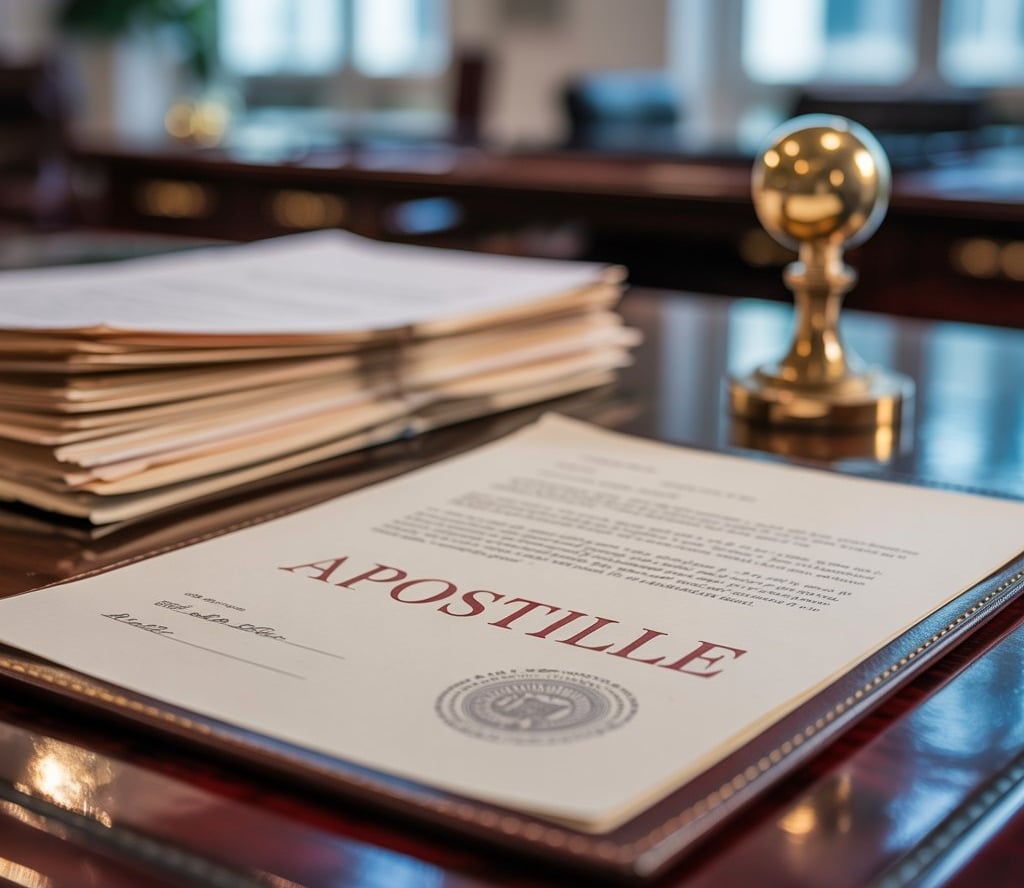
An apostille is a specialized certification issued for documents to verify their authenticity in a foreign jurisdiction, particularly between countries that are signatories to the Hague Convention of 1961. This international treaty streamlines the process of document verification and allows for smoother exchange of legal documents across borders. The apostille serves to certify the origin of a public document, affirming that it is genuine and has been issued by a competent authority, thus facilitating its acceptance in foreign nations without the need for further authentication.
In India, apostille services play a significant role in international document verification, especially for individuals who require their documents to be recognized abroad. Common instances where an apostille is necessary include legal papers, educational certificates, and personal documents, such as marriage or birth certificates, for individuals moving overseas for work or study. The process ensures that the documents can be utilized for various applications, including employment, immigration, and educational purposes in foreign countries. Without an apostille, these documents may face challenges in gaining acceptance internationally, potentially causing delays and complications.
To obtain an apostille in India, applicants must follow specific procedures, which typically involve the verification of documents by the relevant authorities before they can be stamped with the apostille. Understanding this process, along with the requirements, fees, and expected processing times, can significantly aid individuals in navigating the often complex landscape of international documentation. It is essential for applicants to ensure that they possess all necessary documents, as any oversight may lead to further delays in the apostille process, thus hindering their international endeavors.
Requirements for Obtaining an Apostille in India
Obtaining an apostille in India requires the submission of specific documents that correspond to the type of document needing authentication. The category of documents that are eligible for an apostille includes personal documents, educational certificates, and commercial documents. Each of these document types serves a distinct purpose and is subject to its respective regulations under the Hague Apostille Convention.
For personal documents, such as birth certificates, marriage certificates, and death certificates, the applicant must ensure that these documents are issued or attested by the appropriate local authorities. In addition, they may need to provide government-issued identification to validate their identity during the process. Educational certificates, including school degrees and diplomas, must typically be verified by the institution that issued them, along with additional authentication from the relevant state education department, prior to apostille issuance.
Commercial documents, which often include business registration documents, contracts, and invoices, require verification by the concerned chambers of commerce or relevant trade associations. This step ensures that the authenticity of the commercial documents is recognized before proceeding with the apostille process.
Before a document can be submitted for an apostille, it is necessary for it to undergo verification by the appropriate authority. This pre-approval process varies, as personal documents typically need to be attested by a notary public, while educational documents must be verified by the authority that governs education standards in the respective state. Additionally, commercial documents require authentication by business-related authorities. This verification step is crucial, as without it, the process for obtaining an apostille cannot be initiated.
In summary, ensuring that you have the correct documents and that they are duly verified is essential for a smooth apostille application process in India.
The Apostille Process: Step-by-Step Guide
Obtaining an apostille in India involves a meticulous process that ensures your documents are duly validated for international use. The first step is to prepare your documents thoroughly. Ensure that all required documents are complete and accurate, including photocopies and original versions. It is advisable to verify the purpose of the apostille with the receiving country to determine any specific document requirements.
After gathering the necessary documents, the next phase is the verification stage. This is crucial, as documents must be authenticated by the appropriate authorities before an apostille can be issued. Typically, this involves the notary public, followed by the relevant state government department, such as the General Administrative Department (GAD) or the Home Department, depending on the document type. Each authority has its own verification procedures, so it is essential to check their requirements and processing times beforehand.
Once verification is complete, the next step is the submission of documents to the Ministry of External Affairs (MEA) or a designated authority for the apostille stamp. It is recommended to submit the documents in person or through a reputable agency specializing in apostille services, as they can assist in streamlining the process and ensuring that all necessary documentation is in order.
When submitting the documents, be mindful of the official fees associated with obtaining an apostille, which can vary based on document type and urgency. Therefore, always inquire about the total costs involved to avoid unexpected expenses. Moreover, common pitfalls during the apostille process include improper document verification, missing signatures, and not addressing specific requirements of the receiving country's authorities. To mitigate these risks, double-check all documents, follow the guidelines provided by the relevant departments, and maintain open communication with your submitting agency for any updates or decision timelines.
Fees Involved in Getting an Apostille
Obtaining an apostille in India entails various costs, which may vary depending on several factors such as the type of document, state regulations, and the services utilized. The primary cost involved in the apostille process is the government fee, which generally encompasses the fees charged by the Ministry of External Affairs (MEA) and any relevant state authorities. As of late 2023, the MEA charges a nominal fee for each document that is apostilled, typically ranging from INR 50 to INR 100. However, it is important to note that certain state levels may impose additional charges for verification prior to the apostille process, resulting in potentially higher overall fees.
In addition to government fees, if individuals opt for professional apostille services, there may be extra charges involved. These services often include document verification, collection, and delivery, which can enhance the efficiency of the process. The service fees of apostille service providers can vary widely, ranging from INR 1,500 to INR 5,000 or more, depending on the complexity of the requirements and the timelines of service. Individuals should carefully evaluate these options to identify a provider that balances cost and efficiency.
When budgeting for the apostille process, it is important to account for potential regional differences in fees, which can impact the total cost. For example, metropolitan areas may have higher service charges compared to rural regions. It is also advisable to factor in any travel costs if in-person visits to offices are necessary. Ultimately, a clear understanding of all associated fees will help individuals prepare adequately for obtaining an apostille in India efficiently and effectively.
Processing Time: How Long Does It Take?
The processing time for obtaining an apostille in India can vary based on several factors, which may influence how long applicants must wait for their documents to be ready. On average, the apostille process can take anywhere from a few days to several weeks. Understanding these variabilities can help applicants plan accordingly.
One primary factor affecting processing time is the type of document being apostilled. Different documents, such as educational certificates, personal documents, or commercial papers, may require different verification procedures. For instance, educational documents often necessitate additional verification by the respective educational institutions, which could extend the processing time. Thus, it is crucial to consider the specific requirements for each type of document.
The workload at the issuing authority also plays a significant role in determining processing times. During peak periods, when there is an influx of applications, the processing may be slower due to increased demand. Furthermore, any additional verification requests or clarifications needed regarding the document can lead to further delays.
To expedite the apostille process, applicants are encouraged to ensure that their documents are complete and accurate when submitted. Double-checking that all requisite information is provided can mitigate any potential delays caused by incomplete applications. Additionally, considering the use of professional services that specialize in document apostille can also facilitate a faster processing time. These services often possess established channels and a clear understanding of the requirements, resulting in a more streamlined experience.
In conclusion, while the typical processing time for an apostille in India can be influenced by various elements, with careful preparation and consideration of the factors involved, applicants can navigate the timings effectively.
Challenges and Common Issues Faced
Obtaining an apostille in India can be a complex process that sometimes leads to various challenges for applicants. One of the most frequent issues stems from incorrect or incomplete documentation. The requirements for getting an apostille can be quite specific; applicants often overlook essential documents or misinterpret the guidelines provided by the authorities. This can result in delays as officials may reject the applications until the correct paperwork is submitted.
Another prevalent issue is the processing time, which can vary significantly depending on the regional office handling the request. In some instances, applicants may experience extended processing durations due to high demand, bureaucratic inefficiencies, or even public holidays. As a result, it is advisable for applicants to submit their requests well in advance of any deadlines they may have to fulfill.
Furthermore, misunderstandings or miscommunication with the authorities can create additional hurdles in the apostille process. Confusion may arise regarding the specific procedures or the fees associated with obtaining an apostille. Applicants might encounter differing information depending on the source, which can lead to frustration. To mitigate this, individuals are encouraged to rely on official government websites for accurate and updated information, as well as to maintain clear communication with the relevant offices.
To navigate these challenges, it is essential to double-check all documentation before submission, ensure that all forms are filled out accurately, and verify the current fees and processing times. Keeping a proactive approach can significantly decrease the likelihood of encountering problems. In cases where issues do arise, being persistent and reaching out to the authorities for clarification can help in resolving misunderstandings swiftly.
Conclusion: Final Thoughts on the Apostille Process
Understanding the apostille process in India is crucial for anyone needing to authenticate documents for international use. Throughout this blog post, we have explored the essential requirements, fees, and expected processing times associated with obtaining an apostille. By familiarizing oneself with these aspects, individuals can approach the process with greater confidence and clarity.
It is important to note that the apostille service serves as a vital bridge in facilitating international document recognition. Whether for educational documents, business agreements, or legal paperwork, having an apostille can significantly simplify the procedure of validating one’s documents abroad. As such, proper preparation and awareness of the necessary steps are imperative to avoid potential delays and complications.
Additionally, staying informed about any changes in regulations or procedures for apostille services is essential. Government policies may evolve, impacting how individuals obtain apostilles in India. Therefore, regularly reviewing official sources or seeking professional advice can help ensure compliance with current guidelines and streamline the overall process.
In the context of document verification in a globalized world, acquiring an apostille is not merely about legal formalities; it is about empowering individuals with the ability to utilize their documents effectively across borders. As you navigate this journey, being well-informed can make a significant difference. Remember to approach the apostille process methodically, and don’t hesitate to seek assistance when needed. By doing so, you will enhance the likelihood of a seamless experience in securing your document's international recognition.