
Document Apostille in India: Complete Guide
Discover everything you need to know about document apostille in India, including the apostille process, requirements, and tips for a smooth experience. Ensure your documents are recognized internationally with our comprehensive guide.
10/29/20257 min read
Introduction to Apostille
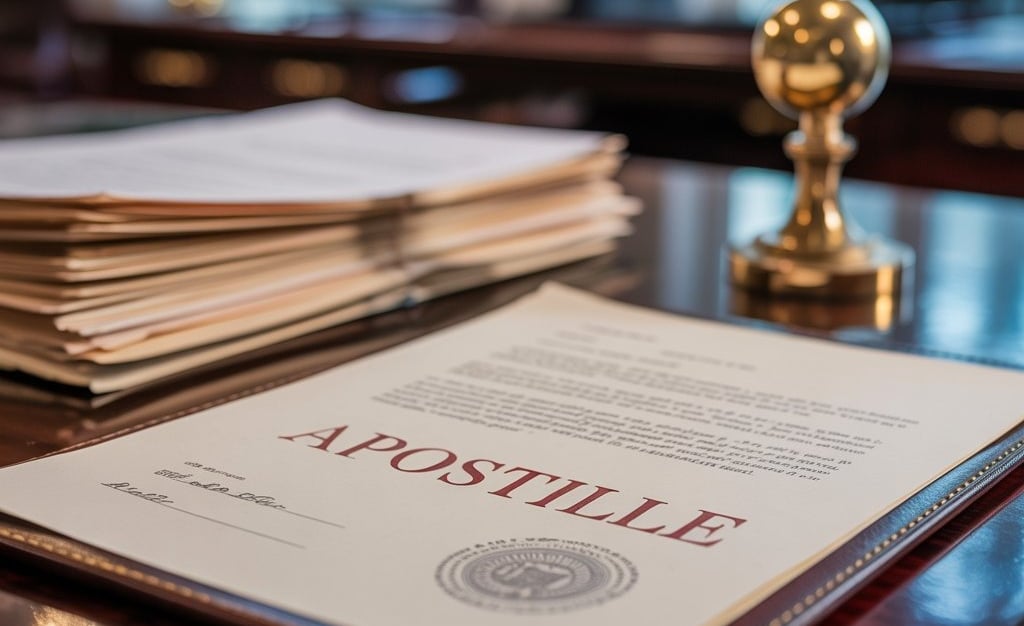
An apostille is a certification that verifies the authenticity of a document for use in a foreign country. This process is crucial, as it helps ensure that documents such as birth certificates, marriage licenses, and academic records are recognized as valid by foreign governments. The need for an apostille arises in a world where international dealings are commonplace, whether for education, employment, or legal matters. Without this certification, documents may not be accepted, causing unnecessary complications and delays in administrative processes.
The Hague Convention of 1961, formally known as the Convention Abolishing the Requirement of Legalization for Foreign Public Documents, established the apostille system, which simplifies the process of international document verification. Under this convention, member countries are obliged to accept each other's apostilled documents, thereby facilitating smoother cross-border communications and transactions. The apostille serves as a universal form of authentication, which eliminates the need for lengthy legalization processes, saving time and resources for individuals and businesses alike.
In India, the adoption of the apostille system is particularly significant. As a member of the Hague Convention, India streamlined the apostille process, allowing citizens to have their documents certified for international use. This system enhances the credibility of Indian documents globally and reassures foreign authorities regarding their legitimacy. By ensuring that essential documents carry an apostille, individuals can navigate legal and administrative requirements in a more efficient manner. In summary, the apostille's role in authenticating documents cannot be overstated, as it serves as a foundation for international recognition and validation of legal documents across member states.
Types of Documents That Can Be Apostilled
Apostille serves as a key verification process that validates the authenticity of documents intended for use in foreign countries, particularly those that are part of the Hague Convention. In India, a wide range of documents can be apostilled, which can be broadly categorized into personal and commercial documents. Understanding these categories is crucial for individuals and businesses looking to ensure their documents are recognized internationally.
Personal documents, such as birth certificates, marriage certificates, and educational qualifications, are frequently apostilled. Birth certificates can be apostilled to establish identity and citizenship when required for residency or immigration purposes in a foreign country. Similarly, marriage certificates may be necessary for visa applications or to prove civil status. Educational qualifications, including degrees and diplomas, often require apostille when applying for further studies or job opportunities abroad, especially in countries where recognition of foreign academic credentials is mandated.
On the commercial front, several documents can be apostilled to facilitate international business transactions. Contracts, for instance, require apostille to ensure both parties in a cross-border agreement recognize the legality and binding nature of the documentation. Additionally, company registrations and incorporation certificates are essential for businesses establishing a presence in foreign markets, as they attune to the requirements of foreign governments and help build credibility in international partnerships.
Moreover, power of attorney documents are often apostilled, particularly in situations where decisions need to be made on behalf of someone residing overseas. This applies to personal and business matters where legal representation in a different jurisdiction becomes necessary. As various types of documents may require apostille under different circumstances, understanding these nuances can significantly streamline the process for both individuals and companies dealing with international affairs.
The Apostille Process in India
The apostille process in India is structured and involves several significant steps to ensure that your documents are authenticated for use in international contexts. The initial step requires obtaining notarization of the document by a licensed notary public. This is crucial for verifying the authenticity of the document before proceeding to the next stages.
Once notarization is completed, the document must be submitted to the respective state government for state-level verification. Each state has its own designated authority for this purpose, often referred to as the Home Department or the General Administration Department. It is advisable to check with the specific state guidelines and procedures, as these may vary, impacting the timeline and documentation required.
After the state verification is complete, the next step involves submitting the document to the Ministry of External Affairs (MEA) for the final apostille seal. The MEA processes the application and applies the apostille only if the document has been duly verified by the state authorities. It is important to gather all necessary documentation, including identification proof and any additional papers that may support your request. The estimated processing time at the MEA usually ranges from 1 to 3 working days, depending on the volume of applications received.
Costs associated with apostille services vary based on the type of document, the number of attested copies required, and the fees charged by the notary and the state authority. Individuals should be prepared for potential challenges, such as incomplete applications or discrepancies in documentation, which may lead to delays. Prior knowledge about the entire apostille process can assist individuals in navigating these challenges with ease.
Where to Get Documents Apostilled in India
In order to get documents apostilled in India, individuals primarily need to approach the Ministry of External Affairs (MEA). The MEA is the central authority responsible for the apostille process, which is crucial for validating documents for international use. The MEA operates from its headquarters in New Delhi and has several regional offices across the country, allowing for easier access for applicants from various states.
Individuals can find information regarding these regional offices on the official MEA website. Each office is equipped to handle the apostille of documents including birth certificates, educational certificates, and various legal documents. The operating hours of these offices typically follow a standard government schedule, from 9:30 AM to 6:00 PM, Monday through Friday, excluding public holidays. It is advisable for applicants to check the specific office they intend to visit for any potential local variances in timing or operational days.
In addition to the MEA offices, there are also authorized vendors across different cities that can assist in the document apostille process. These vendors often provide convenience for those who may find it challenging to navigate through the governmental procedures. It is essential to verify the credentials of these vendors to ensure they are authorized to carry out apostille services. Many of them offer services such as document verification and pickup, streamlining the process for applicants.
Individuals looking for a comprehensive list of authorized vendors can also refer to online resources and forums, where fellow applicants share their experiences and recommendations. By leveraging both MEA services and authorized vendors, individuals can efficiently complete the apostille process with confidence.
Common FAQs About Document Apostille
Understanding the document apostille process in India can raise several questions for individuals seeking this service. One of the most frequently asked questions pertains to the validity of an apostille. Generally, an apostille is recognized internationally for documents that need to be used abroad. This certification confirms that the signature and seal affixed to the document are genuine. As a result, the apostille certification provides validity in countries that are part of the Hague Convention. However, the acceptance of an apostille may vary depending on the requirements of the specific country involved.
Another common point of confusion is the difference between legalization and apostille. While both processes serve to validate documents for international use, they are not interchangeable. Legalization is typically required by countries that are not members of the Hague Convention and involves a more rigorous process, often through embassies or consulates where the document will be used. Conversely, apostille simplifies this validation process by utilizing a standardized format recognized by participating nations, thereby facilitating international legal transactions.
Individuals often wonder about the time frame necessary for obtaining an apostille. The duration for completing the apostille process can vary depending on several factors, including the type of document and the authority issuing the apostille. Usually, individuals can expect the process to take anywhere from a few days to a couple of weeks. It is advisable to check with the relevant authorities for specific time estimates and requirements.
Finally, it's essential to verify whether the documents require translation prior to the apostille process. In cases where foreign languages are involved, it may be necessary to provide certified translations alongside the original documents to ensure full compliance. Addressing these FAQs can help streamline the understanding of the document apostille process in India.
Cost of Apostille Services in India
Obtaining an apostille in India involves several costs that can vary widely depending on multiple factors, including the type of document, the service provider, and the urgency of the request. The primary costs are typically associated with the fees charged by government offices as well as any additional charges levied by third-party service providers.
To begin with, the Government of India charges a nominal fee for the apostille service, which can range from INR 50 to INR 250 per document, depending on the category of the document and the state in which the service is sought. For instance, educational certificates usually command a higher fee compared to personal documents due to the extra verification process involved. It is essential to check the relevant state authorities’ websites or contact them directly for the most accurate pricing.
Moreover, most applicants opt to utilize third-party services for convenience, especially if they need their documents apostilled urgently. These service providers typically charge a premium, which can start from INR 1,000 and can go up significantly based on the speed of service and the complexity of the requirements. When selecting a service provider, one should consider not just the base cost but the overall reputation, turnaround time, and customer feedback.
Other factors that influence costs include the need for document translation or notarization, which may incur additional fees. If documents require multiple apostilles or service for multiple family members, this can further increase the final amount. Understanding these various components enables individuals to budget effectively and choose the right apostille services in India for their needs.
Conclusion and Final Tips for Apostille Applicants
Obtaining an apostille for documents in India is a critical process for individuals and organizations looking to authenticate their paperwork for international use. The apostille process, governed by the Hague Convention, provides a simplified procedure for verifying the legitimacy of documents intended for foreign authorities. Understanding the requirements and following the appropriate steps can ensure the timely approval of your documents.
One key takeaway for applicants is the importance of thoroughly verifying the requirements specific to the document you wish to apostille. Different types of documents—such as educational certificates, marriage certificates, or business documents—may have unique prerequisites. Confirming these details ahead of time will help prevent any delays in processing. Additionally, applicants should ensure that documents are in order and free of discrepancies before submission; meticulous preparation can mitigate the risk of errors that could hinder the application process.
Applicants should also stay informed about any recent changes in regulations or procedures concerning apostille services in India. The landscape of legal requirements can shift, and being aware of updates is pivotal to navigating the apostille journey effectively. Regularly checking the official website of the Ministry of External Affairs or consulting trusted legal experts can provide valuable insights.
As you approach the apostille process, carry a sense of confidence stemming from your preparation and knowledge. Being well-prepared yields a more efficient and seamless experience. With suitable documentation and by following the stipulated guidelines, applicants can successfully obtain an apostille for their documents, thereby facilitating their acceptance in foreign jurisdictions. Embrace the process with readiness, ensuring you follow the guidelines, and you will find success in your apostille application.